Tag: Families

  • Lotte World Vs Seoul Land Vs Everland: Which Seoul Theme Park Is Best?

    Lotte World Vs Seoul Land Vs Everland: Which Seoul Theme Park Is Best?

    TL;DR

    Pick Lotte World if you have half a day, small kids or bad weather: it is mostly indoors and sits on top of Jamsil Station. Pick Seoul Land for the cheapest ticket and an easy outdoor day with younger kids: adults pay 52,000 won, straight down Line 4. Pick Everland if you have a full day and want big coasters, a safari and pandas: it is about an hour from Seoul in Yongin, now with a direct bus from Seoul Station. From mid October to Christmas 2026 all three run Halloween or ghost festivals; Lotte World and Everland then move into winter seasons.

    Last checked: 16 Oct 2026 What is a Beep Check?

    Sunbae Says: Panda fans, go to Everland before mid November. Twins Rui Bao and Hui Bao move to China in the third week of December, and they spend about a month in quarantine first.

    Here is the real question you are asking: do you want to spend your precious day on rides, or on getting to rides? You have maybe four or five days in Korea, it is getting colder by the week, and one of these three parks costs you two hours of travel. Answer that and the choice mostly makes itself.

    The Quick Comparison

    Lotte World Seoul Land Everland
    Where Jamsil, southeast Seoul Gwacheon, Gyeonggi Province, beside Seoul Grand Park Yongin, Gyeonggi Province
    Getting there Jamsil Station (Line 2, green; Line 8, pink), Exit 4 Seoul Grand Park Station (Line 4, light blue), Exit 2, then a 10 minute walk or the Elephant Train Red bus 4105 from Seoul Station or 5002 from Gangnam, about an hour; or EverLine (light green) to Jeondae-Everland Station and a free shuttle
    Indoor or outdoor Mostly indoor (Adventure), plus outdoor Magic Island Mostly outdoor, with an indoor kids’ play zone and indoor shows Almost all outdoor
    Adult day pass 67,000 won (since 1 Apr 2026) 52,000 won; 45,000 won from 4pm 71,000 won in October, 65,000 won in November, 55,000 won in December (from 6 Oct 2026)
    Child day pass 50,000 won (36 months to 12) 43,000 won (36 months to 12) 61,000 won in October, about 55,000 won in November, about 45,000 won in December
    Under 36 months 17,000 won Free, with proof of age Free
    Halloween 2026 To 15 Nov, parade 8:20pm nightly K-Dopamine Ghost Festival this autumn, end date not published To 22 Nov, Blood City Zero horror zone after dark
    Best for Short visits, toddlers, rain, date nights Younger kids, tighter budgets, pairing with the zoo next door Thrill rides, animals, pandas, a full day out
    En:Everland, the biggest theme park of South Korea located in Yongin, Gyeonggi Province
    En:Everland, the biggest theme park of South Korea located in Yongin, Gyeonggi Province, 2005. Photo: by Nagyman, CC BY-SA 2.0, via Wikimedia Commons.

    Lotte World: The Indoor Option

    Lotte World Adventure spreads over four indoor floors, with the outdoor Magic Island across a bridge on Seokchon Lake. Weather does not matter much indoors, which is the whole point from November on. Magic Island rides can close in winter weather, so do the outdoor rides first on a clear day. A permanent MapleStory themed zone, Maple Island, opened in April 2026.

    Prices since 1 Apr 2026 (in Korean), also shown on the park’s own price page: 67,000 won for adults (19 and over), 58,000 won for youth (13 to 18), 50,000 won for children (36 months to 12) and 17,000 won for babies under 36 months. After 4pm, adults pay 55,000 won. The Halloween season runs to 15 Nov 2026 (in Korean) under the theme “Invitation to a Strange World”, with a nightly Dark Fantasy Festival parade at 8:20pm. The 2026 Christmas programme was not announced when I checked.

    A Lotte World tradition you will notice: groups of friends in rented Korean school uniforms, posing at the carousel. There are rental shops in and around the park.

    Worth It: the after 4pm ticket on a November weekday. You catch the parade, the park lights up, and you save 12,000 won.

    Seoul Land: The Easy Family Day

    Seoul Land sits beside Seoul Grand Park and its zoo in Gwacheon, just south of the Seoul city line. The sign over the gate calls it “Korea’s 1st Theme Park”, and it feels like one: green, relaxed and built for families rather than thrill seekers. The official attraction list (in Korean) runs to 50 rides and attractions, many of them kids’ rides from 80 cm. Bigger kids and adults get the Black Hole 2000 coaster (120 cm minimum), the King Viking swing ship and the Shot Drop tower (140 to 195 cm).

    Seoul Land’s price page (in Korean) lists a day park pass at 52,000 won for adults (19 to 64), 46,000 won for youth (13 to 18) and 43,000 won for children (36 months to 12). The night ticket from 4pm is 45,000 won, 39,000 won and 36,000 won. Under 36 months go free with proof of age, and over 65s pay the child rate with ID. The pass covers entry and rides; extras such as the Sky X swing (19,000 won for one rider) and the Ghost Cave horror walk (9,000 won) cost more. I found no foreigner discount.

    The deal worth knowing this month: until 31 October (in Korean), arrive by public transport, take a photo of the Seoul Grand Park Station sign and show it at the ticket office, and the park pass is 26,000 won (in Korean). Visitors aged 60 and over pay 12,000 won for a day pass until 30 November (in Korean).

    October hours on the official daily calendar (in Korean) are 10am to 9pm Monday to Thursday, 10am to 10pm on Fridays and 9:30am to 10pm at weekends. November to February hours were not published when I checked, so look up your date before you go.

    This autumn’s K-Dopamine Ghost Festival (in Korean) brings a haunted house, K-pop performances and fireworks; the shows page (in Korean) says the big fireworks run on Fridays, weekends and holidays, weather permitting. The Ghost Cave, a walk through scare attraction based on the webtoon Future Antique Shop, opened in October 2025 and sold out often (in Korean); weekend morning slots go first.

    Winter is Seoul Land’s underrated season. Last season it ran a Christmas festival through December with an 8 metre Santa balloon and artificial snow, and its Snow Fun Land had a 120 metre sledding slope plus a 50 metre toddler slope, free for park visitors (in Korean). Smelt net fishing cost 6,000 won (in Korean). The 2026 to 2027 winter programme had not been announced when I checked.

    Getting To Seoul Land

    Take Line 4 (light blue) to Seoul Grand Park Station (대공원역) and leave by Exit 2. Seoul Land’s own guide (in Korean) then has you walk straight past the big “I Love Seoul Grand Park” sign. From there, either walk about 10 minutes along the park path or buy a ticket at the Elephant Train office and ride the little road train to the gate. Line 4 runs through Seoul Station and Myeongdong, so from most central hotels there are no changes.

    Worth It: Seoul Land on a clear weekday with kids under 10, especially with the 26,000 won public transport deal before 31 October.

    Skip It: Seoul Land if your teenagers want record breaking coasters. Nothing here competes with Everland’s T Express.

    Everland: The Big Day Out

    Everland is Korea’s largest theme park. The headline ride is T Express, a wooden coaster with a 46 metre drop reaching 104 km/h. Zootopia holds Safari World, Lost Valley and Panda World.

    This autumn, The Korea Herald reports, Lost Valley lets you walk into a plaza with seven giraffes instead of only seeing them from the vehicle, while the Blood City Zero zombie zone takes over after sunset. The fall festival runs 12 Sep to 22 Nov 2026 (in Korean).

    Prices went up on 6 Oct 2026. CEO Score Daily (in Korean) lists last season’s day pass as 68,000 won (adults and teens) and 58,000 won (children and seniors) in October, 62,000 and 52,000 won in November and 52,000 and 42,000 won in December, with all day passes rising by 3,000 won. That gives the figures in my table. Under 36 months enter free. Everland prices by date, so check the calendar on its site before you plan.

    Use the Everland app to reserve ride times on the big attractions early in the day. It can save a lot of queuing.

    Skip It: Everland as a half day trip. With an hour each way, you pay a full price ticket for four hours in the park.

    The Panda Situation

    Panda World is home to Ai Bao and Le Bao, the twins Rui Bao and Hui Bao (born July 2023), and a new cub born in June 2026, named Shu Bao (“a treasure as bright as the light of dawn”) on 11 September, Korea JoongAng Daily reports. Everland says it is considering opening her to the public within the year, depending on how she adapts.

    The bigger news for your timing: Everland announced on 30 September that the twins will move to China in the third week of December (in Korean), under the rule that pandas born abroad return before age four. Like their sister Fu Bao, they will have about a month of health checks and quarantine first, and Everland will announce when public viewing ends and run farewell programmes.

    Heads Up: If seeing the twins is the reason you are going, go by mid November, and check Everland’s app or social channels the week you visit. Viewing could end with little notice once quarantine starts.

    Getting To Everland

    Option Best For Cost Time My Take
    Red bus 4105 from Seoul Station Hotels in Myeongdong, Namdaemun, Itaewon Red bus fare by card About 1 hour My pick for most visitors, no changes
    Red bus 5002 from Gangnam Gangnam hotels Red bus fare by card About 40 to 60 minutes The classic; via Sinnonhyeon, Gangnam and Yangjae
    Red bus 5700 or 1113 Jamsil and Gangbyeon Red bus fare by card Check Naver Map Handy if you also do Lotte World
    EverLine (light green) to Jeondae-Everland Subway fans Subway fares plus free shuttle Longest, with changes Only if buses are full

    The big change: since 1 Aug 2026, red express bus 4105 runs from the Seoul Station Bus Transfer Centre via Sungnyemun, Namdaemun Market, Myeongdong and Itaewon to Everland in about an hour, Herald Business reported (in Korean), cutting 40 to 50 minutes off the old trip with changes. The 5002 still serves Gangnam via Sinnonhyeon, Gangnam and Yangjae, and the 5700 and 1113 run from Gangbyeon and Jamsil. The Gyeonggi Province guide covers the EverLine option, with a free shuttle from Jeondae-Everland Station to the gate.

    Pay with a T-money card or a tourist pass; my guide to which transit card tourists need explains the 2026 changes, and my travel apps guide shows how to find the right stop in Naver Map.

    Heads Up: Red buses are seated only and can fill up and skip stops at weekend morning peaks. Board at the first stop if you can, and queue in the line for your bus number, the way Koreans do.

    What Locals Know

    Everland prices by the calendar. Koreans know October is top peak, November peak and December cheaper. The same adult ticket drops about 16,000 won from October to December.

    Lotte World is a date spot as much as a kids’ park. Korean couples and school friends treat the after 4pm ticket as a night out, which is why the school uniform rentals exist. Weekday evenings are the sweet spot.

    Panda news moves fast. Korean fans follow Everland’s panda keepers like celebrities, and Fu Bao’s farewell in 2024 drew huge crowds. Expect the twins’ last weeks to be busy, and arrive at opening.

    Queue manners matter. At bus stops and ride queues, Koreans keep strict lines and frown on saving spots for late friends. My unwritten rules guide covers the basics.

    Pick Your Version

    If It’s Your First Time

    With two or three days in Seoul, I’d choose Lotte World. It costs you almost no travel time, and you can pair it with Seokchon Lake and dinner in Jamsil. Staying near Seoul Station or Myeongdong and travelling on a budget? Seoul Land is one Line 4 ride away. If you are still building the trip, start at my Start Here hub.

    If You’re Bringing Kids

    With kids under 7, I’d pick Lotte World in November and December: indoor, warm, easy to leave. On a clear, mild day, Seoul Land is the cheaper choice for little ones, with plenty of rides from 80 cm and the zoo next door. With older kids, Everland wins for T Express, the giraffes and the pandas, and under 36 months go free. My Seoul with kids in winter guide fits any of the three parks into a family week.

    If You’re Travelling Solo

    I’d go to Lotte World after 4pm. The ticket is cheaper, the park is lit up, and you are back in central Seoul the same night. My solo travel guide to Seoul has more ideas for evenings alone.

    Sunbae’s Picks

    My pick for most readers: Lotte World’s after 4pm ticket on a November weekday. You get the parade, the lights and the rides for 55,000 won.

    If I only had one full free day and loved coasters, I’d take the first 4105 from Seoul Station and head straight for T Express before the queue builds.

    Panda fans: Everland, no contest, and go before mid November while the twins are still on show.

    Tightest budget or kids under 10 on a sunny day: Seoul Land. Before 31 October, the public transport deal makes the park pass 26,000 won.

    I’d skip Everland in December with small kids unless snow sledding is the point. The cold, the outdoor queues and the bus home add up.

    Offers Worth Knowing

    Lotte World’s after 4pm ticket saves adults 12,000 won. Everland’s date tiers are the other real saving: December is about 16,000 won cheaper than October for an adult. Under 36 months enter Everland free. The shuttle from Jeondae-Everland Station to the gate is free. At Seoul Land, the 4pm night ticket saves adults 7,000 won, the public transport photo deal brings the park pass to 26,000 won until 31 October, and over 60s pay 12,000 won until 30 November.

    What’s Changing In 2026

    Theme park prices crossed a line. Money Today notes (in Korean) Everland is the first major Korean theme park with a day pass above 70,000 won, ten years after prices entered the 50,000 won range. Lotte World raised prices on 1 April 2026. Seoul Land’s 52,000 won adult pass is now 15,000 won under Lotte World’s and well under Everland’s October price. My read: book off peak dates and after 4pm tickets, because that is where the value now sits.

    Everland is chasing visitors from central Seoul. The new 4105 bus deliberately stops at Namdaemun, Myeongdong and Itaewon to catch tourists. Korea welcomed a record 18.94 million foreign visitors in 2025, Yanolja Research reports. For you, that means weekend queues at both parks, so go midweek if you can.

    Seoul Grand Park’s old sky lift is on its way out. The open air lift, running since 1991, is expected to be removed by the end of 2026 and replaced with a 1.7 km enclosed gondola built by a private operator, Hankyung reports (in Korean). Construction takes 24 months from the start date, and no opening date has been given, so do not plan your Seoul Land and zoo day around either ride.

    Planning the rest of your season? My Halloween in Seoul, Korea in November and Christmas in Seoul guides cover what else is on, and the what’s on calendar has dates as they are confirmed. Pack for outdoor queues with what to wear from October to December.

    Word Of The Stop

    자유이용권 (jayu iyonggwon), “all day ride pass”. This is what Koreans call a day ticket, and you will see it on ticket boards at Lotte World and Everland. Seoul Land calls its version 파크이용권 (pakeu iyonggwon), “park pass”.


    Map And Directions

    1. 1
      Lotte World Adventure 롯데월드 어드벤처
      2Jamsil StationEXIT4

      Mostly indoor; 67,000 won adult, 50,000 won child; after 4pm adult 55,000 won; Halloween parade 8:20pm to 15 Nov

    2. 2
      Magic Island, Seokchon Lake 매직아일랜드
      2Jamsil Station

      Outdoor rides across a bridge; may close in winter weather, so ride early on clear days

    3. 3
      Everland 에버랜드
      Jeondae-Everland StationEXIT3 (free shuttle)

      Adult 71,000 won Oct, about 65,000 Nov, about 55,000 Dec; Blood City Zero to 22 Nov; twin pandas leave 3rd week of Dec

    4. 4
      Seoul Station Bus Transfer Centre (bus 4105) 서울역버스환승센터
      1Seoul Stationcheck Naver Map

      Red bus 4105 to Everland since 1 Aug 2026, about 1 hour; also stops at Sungnyemun, Namdaemun Market, Myeongdong, Itaewon

    5. 5
      Gangnam Station bus stop (bus 5002) 강남역 5002번 정류장
      2Gangnam Stationcheck Naver Map

      Red bus 5002 via Sinnonhyeon, Gangnam and Yangjae to Everland

    Your Tickets

    Red bus광역
    Seoul Station Bus Transfer Centre→Everland
    Timeabout 1 hour
    Farered bus fare by card
    Bus 4105, no changes; via Sungnyemun, Namdaemun Market, Myeongdong, Itaewon
    SEOUL SUNBAE224-1승차권
    Red bus광역
    Gangnam Station area→Everland
    Timeabout 40 to 60 min
    Farered bus fare by card
    Bus 5002 via Sinnonhyeon and Yangjae
    SEOUL SUNBAE224-2승차권
    Red bus광역
    Gangbyeon / Jamsil→Everland
    Timecheck Naver Map
    Farered bus fare by card
    Bus 5700 or 1113; handy if pairing with Lotte World
    SEOUL SUNBAE224-3승차권
    Shuttle셔틀
    Jeondae-Everland Station Exit 3→Everland gate
    Timea few minutes
    Farefree
    End of the EverLine route
    SEOUL SUNBAE224-4승차권

    Seoul area bus colours: Blue bus · 간선 Green bus · 지선 Red bus · 광역 Yellow bus · 순환

    Last Mile

    • City Hall Station → Jamsil Station (Lotte World) about 40 min
    Get the map appsNNaver Map App Store Google PlayKKakaoMap App Store Google PlayBoth work in English. With the app installed, the Naver Map and KakaoMap buttons open directions straight to the pin.

    Tap a button to open directions on your phone. In Korea, Naver Map and KakaoMap give full walking directions; Google Maps covers subway and bus but, as of September 2026, still has no turn by turn walking or driving here. Pins marked “Area pin” show a neighbourhood, not a door.

    Frequently Asked Questions

    Which Is Best: Lotte World, Seoul Land Or Everland?

    Lotte World is better for short visits, young kids and cold or wet days because it is mostly indoors and next to Jamsil Station. Seoul Land is the cheapest of the three and suits younger kids on a clear day. Everland is better for thrill rides, animals and a full day out, but it takes about an hour to reach.

    How Much Is Lotte World In 2026?

    Since 1 Apr 2026 a one day pass is 67,000 won for adults, 58,000 won for youth, 50,000 won for children and 17,000 won under 36 months. The adult after 4pm ticket is 55,000 won.

    How Much Is Everland In 2026?

    From 6 Oct 2026, adult and teen day passes are 71,000 won in October, about 65,000 won in November and about 55,000 won in December; children pay 10,000 won less. Under 36 months are free. Check Everland’s price calendar for your date.

    How Much Is Seoul Land In 2026?

    A day park pass is 52,000 won for adults, 46,000 won for youth and 43,000 won for children aged 36 months to 12; from 4pm it is 45,000 won for adults. Under 36 months are free with proof of age. Until 31 October 2026, showing a photo of the Seoul Grand Park Station sign gets you a 26,000 won park pass.

    How Do I Get To Seoul Land?

    Take Line 4 to Seoul Grand Park Station, leave by Exit 2 and walk about 10 minutes, or buy an Elephant Train ticket and ride the road train to the gate. There are no changes from Seoul Station or Myeongdong.

    How Do I Get To Everland From Seoul?

    Take red bus 4105 from Seoul Station, Myeongdong or Itaewon, or 5002 from the Gangnam Station area, about an hour. The EverLine (light green) to Jeondae-Everland Station plus the free shuttle also works, but takes longer.

    Can You See The Pandas At Everland?

    Yes, but the twins Rui Bao and Hui Bao leave for China in the third week of December after about a month of quarantine, so go by mid November. Ai Bao and Le Bao stay, and the new cub Shu Bao may go on public view later in 2026.

    Next Stop

    Resources

    • Everland app and website (everland.com): date based prices, ride time reservations and panda viewing updates.
    • Lotte World Adventure website and app (adventure.lotteworld.com): prices, parade times and ride closures.
    • Seoul Land website (seoulland.co.kr) and phone 02-509-6000: daily hours calendar, discounts and ride maintenance days.
    • 1330 Korea Travel Hotline: dial 1330 (or +82-2-1330 from abroad) for English help, 24 hours.
    • Naver Map or KakaoMap: live arrival times for buses 4105, 5002 and 5700; search 에버랜드, 롯데월드 or 서울랜드.
    • Seoul tourist transit pass FAQ (Korean): which short passes still work.

    How I Checked This

    On 5 October 2026 I re-checked Lotte World prices against Daum and the park’s own price listing, its Halloween dates against New Daily, Everland’s 6 October price rise and seasonal rates against CEO Score Daily and Money Today, its fall festival against The Korea Herald, the panda news against Hankyung, Asia Economy and Korea JoongAng Daily, and the 4105 bus against Herald Business. The November and December Everland prices are calculated from last season’s published rates plus the 3,000 won rise. Still unconfirmed: the twins’ last public viewing day, Shu Bao’s public debut, both parks’ 2026 Christmas dates and exact daily hours.

    On 16 October 2026 I added Seoul Land, checking its prices, discounts, October hours, rides, autumn festival and directions on its official website, last winter’s sledding and Christmas programme against Segye Ilbo, Newsis and Lady Kyunghyang, and the Seoul Grand Park lift and gondola plan against Hankyung. Still unconfirmed for Seoul Land: the Ghost Festival end date, November to February hours, closing days, the Elephant Train fare and the 2026 to 2027 winter programme.

    Sources


    Written by your sunbae. Over 20 years in Korea. We learned the lessons the hard way, so you don’t have to, and we’re here to guide you and help you enjoy Korea. Every fact here is checked against official sources and, wherever possible, on the ground.

    Beep Check: verified 16 Oct 2026. Rules, prices and dates change; confirm with the official source before you travel.
  • K-ETA 2027: What Happens When The Exemption Ends On 31 December

    K-ETA 2027: What Happens When The Exemption Ends On 31 December

    TL;DR

    The temporary K-ETA exemption for 22 countries, including the US, Canada, the UK, Australia and Japan, ends on 31 Dec 2026 (Korea time). As of 5 Oct 2026, Korea has not announced an extension into 2027. If nothing changes, you need an approved K-ETA before boarding from 1 Jan 2027. It costs 10,000 won and lasts three years.

    Last checked: 5 Oct 2026 What is a Beep Check?

    Sunbae Says: If you are flying to Korea any time after Christmas, apply for a K-ETA now. It is valid for three years, replaces the e-Arrival Card, and makes the whole 2027 question irrelevant for you.

    What The K-ETA Is

    Picture the one moment this matters: you are at the check in desk in Toronto or London on 1 Jan, and the agent checks your Korean travel authorisation. That check happens before you board, not when you land. The K-ETA (Korea Electronic Travel Authorization) is that authorisation: an online approval, granted in advance, for people who can visit Korea without a visa. It is not a visa.

    The key numbers, from the official K-ETA application guide:

    • Fee: 10,000 won, non refundable even if refused, plus a separate online payment fee
    • Validity: 3 years, or until your passport expires if sooner
    • Processing: typically 72 hours or less, longer when applications surge
    • Stay length: set by your nationality, not by the K-ETA
    • Bonus: approved holders do not submit the arrival card

    If this is your first trip, my Start Here hub puts all the pre flight jobs in order, and Korea In November 2026 shows you what the season looks like.

    Incheon airport arrivals queue
    Incheon airport arrivals queue, 2024. Photo: Sgroey, CC BY-SA 4.0, via Wikimedia Commons.

    Who Is Exempt Until 31 Dec 2026

    The temporary exemption covers 22 countries and regions: Australia, Austria, Belgium, Canada, Denmark, Finland, France, Germany, Hong Kong, Italy, Japan, Macao, the Netherlands, New Zealand, Norway, Poland, Singapore, Spain, Sweden, Taiwan, the United Kingdom and the United States (including Guam).

    The Korean Consulate General in New York’s notice gives the period as 1 Jan to 31 Dec 2026, Korean Standard Time. Exempt travellers without a K-ETA file the free e-Arrival Card within three days before arrival instead.

    Separately, since 3 Jul 2023 travellers aged 17 and under and 65 and over have not needed a K-ETA in advance, as ANA’s K-ETA page confirms. They still file the arrival card.

    So What Happens In 2027?

    Nobody outside the government knows yet, and I will not pretend otherwise. Here is what is on the record.

    The default is “K-ETA required”. The US State Department’s Korea page already says that starting 1 Jan 2027 you will need a K-ETA before travelling. That is not a new decision. It is simply what happens if Seoul does nothing.

    The official portal has said nothing new. On 5 Oct 2026 the latest exemption notice on the K-ETA portal was still the 2026 one, covering 1 Jan to 31 Dec 2026, and it says nothing about 2027.

    Last year the answer came late. The Prime Minister flagged the 2026 extension in September 2025, but in mid December the Los Angeles consulate was still “waiting for official documents”, the Korea Daily reported (in Korean). Formal confirmation came on 23 Dec 2025. This year I found no comparable September signal in the Korean press.

    So there are two realistic outcomes:

    Scenario one: another extension. The exemption rolls into 2027, probably announced late in the year again. Nothing changes for you; you keep filing the e-Arrival Card.

    Scenario two: it ends. From 1 Jan 2027, travellers from those 22 countries need an approved K-ETA before boarding, as visitors from other visa free countries already do. No K-ETA, no boarding.

    I will update this page as soon as the Ministry of Justice or a Korean embassy posts a notice.

    Your Options, Compared

    Option Best For Cost Time My Take
    Get a K-ETA now Any trip touching 2027, repeat visitors 10,000 won plus card fee About 10 min to apply, up to 72 hours to approve My pick. Cheap, three years, no arrival cards.
    Wait for the decision Trips starting in mid to late January or later Free until you apply Risky if the news lands in late December Fine if you set a calendar reminder for 15 Dec.
    e-Arrival Card only Trips that end before 31 Dec 2026 Free 5 to 10 min, within 3 days of landing Perfect if you are home for Christmas.
    Paid “visa service” site Nobody Many times the official fee Same wait Skip. You pay more for the same form.

    My call: if your return flight lands after 31 Dec, or you think you will visit again by 2029, apply now and stop refreshing the news.

    What Locals Know

    Korean notices come first, in Korean. The decision belongs to the Ministry of Justice, and last year’s confirmation went up on the K-ETA portal as a notice titled “한시 면제 기간 연장 알림” (temporary exemption extension notice). English news followed. If you can spot that phrase, you will know before most travel sites do.

    Koreans get burned by the mirror image of this scam. This autumn the Korean press ran warnings from the Korea Consumer Agency about lookalike sites charging Koreans up to 250,000 won for US and Canadian travel permits that cost a fraction of that. The same trick runs on K-ETA searches in English. Type the address yourself.

    The portal posts practical warnings too. On 30 Sep 2026 it warned that Gmail users face delayed emails (in Korean) and asked applicants to use another email, noting Outlook and Hotmail can lag as well. It was also offline overnight on 8 to 9 Oct 2026 for maintenance.

    Heads Up: Do not apply with a Gmail address right now. The official portal says approval emails to Gmail are delayed. Use another email provider, and check your status on k-eta.go.kr rather than waiting for the inbox.

    Where To Do It

    There is no counter to visit. You apply online at k-eta.go.kr or in the official K-ETA app, before you fly. You cannot apply at Incheon on arrival, because the airline checks your status at check in.

    1. Go to k-eta.go.kr or download the official K-ETA app. Check the address bar says .go.kr.
    2. Have your passport and a recent colour photo of your face ready.
    3. Enter your passport details and the rest of the form, then upload the photo.
    4. Pay 10,000 won plus the payment fee by card.
    5. Wait for approval, then check your status on the official site. ANA advises applying at least 72 hours before you travel.
    6. Check that the name and passport number match your passport exactly.

    One quirk: if your passport is from an exempt country, the portal shows a “K-ETA exempt” pop up when you scan it. You can still apply and pay voluntarily, the official notice confirms, so do not mistake the pop up for an error.

    Should You Apply Now?

    Worth It: a K-ETA for anyone landing on or after 1 Jan 2027, anyone on a trip that crosses New Year, and repeat visitors. For 10,000 won you remove the risk of being refused boarding, and you skip the e-Arrival Card on every trip for three years.

    Skip It: any third party website that charges more than the official fee. Anything other than k-eta.go.kr or the official app is an agent adding a margin, at best.

    Flying home before 31 Dec, say straight after Christmas in Seoul, with no plans to return? You do not need one. File the free e-Arrival Card and relax.

    Timing Traps Around New Year

    The exemption dates are in Korean Standard Time, and the airline checks your status at check in. If you leave North America or Europe on 31 Dec, you usually land on 1 Jan. Do not bet your trip on how a check in agent reads that. Get the K-ETA. Coming for the countdown? Read New Year’s Eve In Seoul and Korea In December 2026 too.

    Heads Up: Any flight that lands in Korea on or after 1 Jan 2027 is the risk zone. Departure date does not matter; arrival in Korea time does.

    A K-ETA does not change how long you may stay. That is set by your nationality: GOV.UK lists up to 90 days for British visitors, the US State Department lists 90 days for Americans, and other countries differ, so check yours before booking a long trip. Canada’s official travel advice also warns about online e-Arrival Card scams.

    Pick Your Version

    If It’s Your First Time: Landing before mid December and home before Christmas? I’d skip the K-ETA and file the e-Arrival Card. If your dates touch New Year, I’d apply this week.

    If You’re Bringing Kids: Children aged 17 and under do not need a K-ETA in advance, but you as the adult do if the exemption ends. They still need arrival cards. My Seoul With Kids In Winter guide covers the rest.

    If You’re Travelling Solo: I’d get the K-ETA. Alone, you have no one to troubleshoot a check in problem with, and 10,000 won is cheap insurance.

    If You’re Here For A Reset: For a spa or temple trip, the K-ETA rules are the same as for anyone. For medical treatment, the visa route is a separate question, so start at my Reset hub.

    Sunbae’s Picks

    My pick for anyone flying after 20 Dec: apply now, pay the 10,000 won, and stop refreshing the news.

    I’d skip every paid “K-ETA service” website. Type the official address yourself.

    If I were flying on 31 Dec, I’d hold a K-ETA, full stop, for the time zone reason above.

    After more than 20 years of watching rules change here, my rule is to trust official notices over rumours, and to act on what is published, not on what is expected.

    Offers Worth Knowing

    The e-Arrival Card is free. The official K-ETA fee is 10,000 won for three years of trips. Travellers aged 17 and under and 65 and over do not need a K-ETA in advance. Once you land, Seoul’s 1 to 7 day tourist transit passes are the next saving; see Which Transit Card You Need.

    What’s Changing In 2026

    Long haul visitors are the growth story. Korea had about 18.94 million foreign visitors in 2025, and Yanolja Research found US arrivals reached 1.48 million, up 42.1% on 2019, with the Americas up 45.8% and Oceania up 44.5%. Most of those markets are on the exempt list. My read, and it is only a read: the stakes are higher than ever, so expect the decision to be taken seriously, but do not expect it early.

    Entry paperwork already changed once this year. The e-Arrival Card became mandatory for foreign nationals from 1 Jan 2026, as EY’s tax alert notes. Keep it and the K-ETA straight with my travel apps guide.

    Medical visitors get a faster lane. From 1 Oct 2026, 112 certified medical institutions and agencies can use three day electronic visa processing for foreign patients, The Korea Times reports. That is a visa route, separate from the K-ETA.

    Word Of The Stop

    전자여행허가 (jeonja yeohaeng heoga): electronic travel authorisation, the Korean name for K-ETA. Pair it with 한시 면제 (hansi myeonje), “temporary exemption”, and you can read the headline that matters.

    Frequently Asked Questions

    Do Americans Need A K-ETA In 2027?

    If the exemption is not extended, yes: the US State Department already says US citizens will need a K-ETA from 1 Jan 2027. As of 5 Oct 2026, no extension has been announced. A K-ETA issued now stays valid for three years.

    How Much Does A K-ETA Cost?

    10,000 won on the official site, plus a small online payment fee. It is not refundable, even if your application is refused.

    How Long Is A K-ETA Valid?

    Three years from approval, or until your passport expires, whichever comes first. It covers multiple trips.

    Do Children Need A K-ETA?

    Children aged 17 and under and adults aged 65 and over do not need one in advance. They still file the e-Arrival Card.

    Do K-ETA Holders Still File The Arrival Card?

    No, if you enter on that K-ETA. If you enter on a visa, you file the card even with a K-ETA.

    Next Stop

    Resources

    • K-ETA official site: the only place to apply, check status and read exemption notices.
    • Official K-ETA app: the same application on your phone; check the developer before installing.
    • e-Arrival Card official site: free, within 3 days before landing, if you have no K-ETA.
    • Korea Immigration Contact Center 1345: immigration questions in English.
    • Korea Travel Hotline 1330 (+82-2-1330 from abroad): general travel help 24 hours a day.

    How I Checked This

    On 5 Oct 2026 I checked the K-ETA portal’s guide and notice board (exemption notice, Gmail warning, 8 to 9 Oct outage), the e-Arrival Card target rules, the New York consulate notice, ANA’s age rules, the US State Department, GOV.UK and Travel.gc.ca pages, last year’s timeline in the Korea Daily and Passport Index, and Korean news for any 2027 signal. Still unconfirmed: whether the exemption will be extended into 2027.

    Sources


    Written by your sunbae. Over 20 years in Korea. We learned the lessons the hard way, so you don’t have to, and we’re here to guide you and help you enjoy Korea. Every fact here is checked against official sources and, wherever possible, on the ground.

    Beep Check: verified 5 Oct 2026. Rules, prices and dates change; confirm with the official source before you travel.
  • Korea e-Arrival Card: How To Fill It In Step By Step

    Korea e-Arrival Card: How To Fill It In Step By Step

    TL;DR

    The Korea e-Arrival Card is a free online form at e-arrivalcard.go.kr that most visa free and visa holding visitors file from three days before landing (Korea time). It takes about 5 to 10 minutes: passport photo, flight, purpose of visit, where you’re staying, done. If you hold a valid K-ETA, you skip it.

    Last checked: 4 Oct 2026 What is a Beep Check?

    Sunbae Says: Do it the evening before your flight, at home, on decent Wi-Fi. Not at the gate, and never on a website that asks for money. The real one ends in .go.kr and costs exactly zero won.

    Who Needs The e-Arrival Card

    Picture it: you’re balancing a backpack on one knee, photographing your passport under corridor lights while your whole flight overtakes you. Don’t be that person.

    The official list of who must declare is short. You file if you are:

    • A citizen of a country on the temporary K-ETA exemption (US, Canada, UK, Australia, Japan and the rest of the 22, through 31 Dec 2026) and you have no K-ETA
    • A traveller from a K-ETA country who is 17 or under, or 65 or over, and so never needed a K-ETA
    • Entering on a Korean visa (even if you also hold a K-ETA)

    You do not file if you hold a valid K-ETA and enter on it, a Korean residence card (including permanent resident and overseas Korean resident cards), or you’re airline crew. Transit passengers who never pass immigration don’t file either, per the official FAQ.

    The trap most guides miss: kids and grandparents from exempt countries. They don’t need a K-ETA, so families assume they need nothing. They still need the arrival card.

    New to all this? My Start Here hub lists every pre flight job in order.

    Incheon Airport Maglev Station Train Arrival Screen
    Incheon Airport Maglev Station Train Arrival Screen. Photo: Minseong Kim, CC BY-SA 4.0, via Wikimedia Commons.

    When To Submit

    The official e-Arrival guide says you can file from three days before arrival, counted in Korean Standard Time: arrival day, the day before, or two days before. It lapses 72 hours after you submit, or once you’ve cleared immigration. Every trip needs a fresh one.

    Flying from North America? Count back in Korea time, not your time. Land Saturday morning in Seoul, and your window opened Thursday Korea time, which is still Wednesday morning in Vancouver.

    Heads Up: The official site occasionally goes offline overnight for system work, as it did on 8 to 9 Oct 2026. Check its notices page a few days before you fly, and file early if a maintenance window overlaps your three day window.

    Your Options, With My Take

    Option Best For Cost Time My Take
    Online, at home, the night before Almost everyone Free 5 to 10 min My pick. Calm, inside the window, time to redo a blurry photo.
    Online at the departure gate Last minute planners Free 10 min plus stress Works, but boarding calls and 5% battery breed typos.
    Online after landing, before immigration People who forgot Free 10 to 15 min Legal and fine. You’ll just be the one in the corridor.
    Paper card at the airport No phone, dead battery Free 5 min Still accepted in 2026, but slower and not something to plan around.
    A K-ETA instead Repeat visitors, trips into 2027 10,000 won Apply at least 72 hours ahead Worth it if you’ll be back within three years.

    What You Need Before You Start

    The official checklist is a valid passport, a working email address, your arrival date and flight number, and where you’re staying. A departure date is asked for; the departure flight number is optional. If you haven’t booked a way out, the FAQ says an approximate date is fine, though officers may ask about your plans.

    Two things the official checklist doesn’t spell out: the form asks your occupation, and you’ll want the full address of your first night’s stay, ideally in Korean too (copy it from your booking or the map apps in my travel app guide). If you’re staying at several places, the FAQ says enter your main one, or the first.

    How To Fill It In, Step By Step

    The official process guide has five steps. Here they are with what actually trips people up.

    1. Open the real site. Type e-arrivalcard.go.kr yourself rather than clicking an ad. It works on phone or laptop, there’s no app, and it runs in seven languages including English.
    2. Agree to the terms and enter your email twice. This is the lead filer’s email. A child under 14 can’t be the lead filer.
    3. Add passports. Photograph the photo page flat, no glare, with the two lines of machine readable text sharp and fully in frame. If the scan fails, you can type the details in by hand.
    4. Add your trip. Arrival date, flight number, departure date, purpose (tourism for most readers), accommodation, contact details and occupation.
    5. Check, verify, submit. Since 6 May 2026 there’s a verification code step before submission. You then get an issue number and can save the whole thing as a PDF.

    Save that PDF straight away. The site itself warns that confirmation emails can be delayed or lost for Gmail, Outlook.com, Hotmail and QQ users. You don’t have to show anything at the desk, but the issue number is how you edit later.

    Made a mistake? Before immigration you can change your address, purpose or departure details using the issue number or email check. The arrival date can only be changed within three days of your first submission; otherwise, just file a new one.

    Heads Up: Lookalike sites copy the flag and the wording, then charge a “processing fee”. In March 2026 Korea’s embassy in Beijing warned about fake sites on Baidu asking 232 to 510 yuan (about 50,000 to 110,000 won) to file, Hankyung reported (in Korean). The real form is free. If a page wants your card number, close the tab.

    Families And Kids

    On a phone, one submission covers up to 9 people. On a PC, a group submission covers up to 1,000, as long as everyone shares the same arrival date and flight. For a family of four, the phone version is plenty.

    The law says the traveller fills in their own card, but the FAQ allows someone else to file when the traveller can’t, which covers your kids. Lay every passport out on the table before you start; the photo step is where tired parents lose patience. More family logistics in Seoul With Kids In Late Autumn And Winter.

    Where To Do It At The Airport

    Forgot? You’re not stuck. The official FAQ says that even if you didn’t file before landing, you can fill in the e-Arrival Card or a paper card before immigration. When VisasNews asked the Ministry of Justice in March 2026, the ministry said paper and electronic cards run in parallel until it announces otherwise, and that tablets and QR codes linking to the official site are provided in arrival areas.

    Here’s the practical drill. Once the crew says phones are fine, connect to the airport’s free Wi-Fi on the walk from the gate, and use the corridor before the immigration hall to file on your phone. Incheon T1, T2, Gimpo, Gimhae and Jeju all work the same way; the form doesn’t care which airport you land at.

    Once you’re through, you’ll want a transit card before the train; which transit card tourists need now explains why your first airport ride runs on T-money.

    Worth It Or Skip It

    Skip It: any site, agency or “fast track” that charges you. Korea doesn’t sell a faster arrival card. The government site, in its own notice, warns about similarly named sites asking for personal details or fees.

    Worth It: a K-ETA instead, if you’ll visit Korea again within three years or your trip runs into 2027. It costs 10,000 won, lasts three years, and the official K-ETA guide says approved holders are exempt from the arrival card. The 22 country exemption ends 31 Dec 2026 and nothing about 2027 had been announced as of 4 Oct. My K-ETA 2027 guide has the decision in full.

    Pick Your Version

    If It’s Your First Time: File the night before you fly, save the PDF, screenshot the issue number. One less thing between you and your first convenience store coffee.

    If You’re Bringing Kids: Do the whole family in one phone submission, passports laid out first. Remember the under 17 rule: your kids need this card even though they don’t need a K-ETA.

    If You’re Travelling Solo: File the evening before and send the PDF to someone at home along with your hotel address. My Solo In Seoul guide covers the rest.

    If You’re Here For A Reset: If you’re coming for a health checkup on a visa, note the twist: visa holders file the card even if they also hold a K-ETA.

    Sunbae’s Picks

    My pick for timing: the evening before departure, at home. Inside the window, room to fix mistakes.

    My pick for email: a non Gmail address if you have one, given the site’s own warning. If not, save the PDF on the spot.

    I’d skip filing at the gate. Gate Wi-Fi, a boarding call and a dying phone are how typos happen.

    If you’ll be back within three years, I’d buy the K-ETA once and forget arrival cards altogether.

    After more than 20 years here, my rule is simple: every form that can be done at home gets done at home. Then pack properly with my autumn and winter packing guide.

    Offers Worth Knowing

    The e-Arrival Card is free, full stop. The official K-ETA is 10,000 won for three years of trips and replaces the arrival card. After you land, Seoul’s 1 to 7 day tourist transit passes are the next real saving.

    Behind The Scenes

    Paper never officially died. Plenty of English guides say paper cards ended on 31 Dec 2025, because that was the plan VisitKorea announced. But the Ministry of Justice’s own Korean explainer (in Korean) frames the e-card as an online way to submit the same card, and the ministry told VisasNews both run in parallel until a formal announcement. What it means for you: file online, but nobody gets turned away for forgetting.

    The form quietly changed this year. In March 2026 the government said it would drop the “previous departure point” and “next destination” questions after a diplomatic row with Taiwan over how it was labelled, Kyunghyang Shinmun reported (in Korean). If an older guide shows fields you don’t see, that’s why.

    The officer already has your card. The FAQ is clear: if your details are right, the inspector sees your submission without you showing anything. The issue number matters only if something doesn’t match.

    What’s Changing In 2026

    More people are landing alongside you. Korea drew 10.71 million foreign visitors in the first half of 2026, up 21%, and arrivals through regional airports jumped 42.5% year on year in June, Korea JoongAng Daily reports. My read: busier halls everywhere, so filing ahead is the cheapest queue skip there is.

    Security tightened. The verification code step arrived on 6 May 2026, aimed at making sure a real person submits each card. Expect one extra screen, not a headache.

    2027 is the wild card. If the K-ETA exemption ends on 31 Dec, travellers from those 22 countries will need a K-ETA to board, and a K-ETA replaces the arrival card. Visiting over New Year? Read K-ETA 2027 now, not on the 30th.

    What If I Forget?

    Breathe. File on your phone on the walk to immigration, or ask for a paper card. You won’t be refused entry for not filing in advance. You’ll just add ten minutes to a long day. If you want the rest of the arrival etiquette, from queue manners to the escalator, my unwritten rules of Korea cover it.

    Word Of The Stop

    입국신고서 (ipguk singoseo): arrival card. “Ipguk” means entering the country, and you’ll see 입국 on every arrivals sign. The online version is 전자입국신고 (jeonja ipguk singo), “electronic arrival report”.


    Map And Directions

    1. 1
      Incheon Airport Terminal 1 Arrivals Immigration 인천국제공항 제1여객터미널 입국심사장
      Incheon Int'l Airport Terminal 1 StationAirside, before passport control (check Naver Map)

      File on your phone on the walk from the gate if you forgot. The Ministry of Justice says arrival areas have tablets and QR codes for the official site; paper cards remain a fallback.

    2. 2
      Incheon Airport Terminal 2 Arrivals Immigration 인천국제공항 제2여객터미널 입국심사장
      Incheon Int'l Airport Terminal 2 StationAirside, before passport control (check Naver Map)

      Same rules as T1. Same day transit passengers who pass immigration enter the official address: 446 Je2terminal-daero, Jung-gu, Incheon.

    3. 3
      Gimpo Airport International Terminal 김포국제공항 국제선청사
      AGimpo Int'l Airport StationCheck Naver Map for the exit

      Seoul's second international airport. The e-Arrival Card works exactly the same; same day transit passengers who pass immigration enter the official address: 112 Haneul-gil, Gangseo-gu, Seoul.

    4. 4
      Gimhae Airport International Terminal 김해국제공항 국제선청사
      Airport StationCheck Naver Map for the exit

      Busan's airport. Same form, same three day window, same free site.

    5. 5
      Jeju International Airport 제주국제공항

      Direct international flights land here. File the card before immigration as at any other airport.

    Your Tickets

    AREX공항철도
    Incheon Int'l Airport Terminal 1 Station→Seoul Station
    Timeabout 1 hour on the all stop train
    Farecheck the AREX fare table
    Hongik University Station is on the same line if you are staying in Hongdae.
    SEOUL SUNBAE105-1승차권

    Last Mile

    • Arrival gate → Immigration hall about 5 to 15 min
    • Immigration and baggage claim → Incheon Airport Terminal 1 Station about 10 min
    Get the map appsNNaver Map App Store Google PlayKKakaoMap App Store Google PlayBoth work in English. With the app installed, the Naver Map and KakaoMap buttons open directions straight to the pin.

    Tap a button to open directions on your phone. In Korea, Naver Map and KakaoMap give full walking directions; Google Maps covers subway and bus but, as of September 2026, still has no turn by turn walking or driving here. Pins marked “Area pin” show a neighbourhood, not a door.

    Frequently Asked Questions

    Is The Korea e-Arrival Card Free?

    Yes. The official site, e-arrivalcard.go.kr, charges nothing. Any site asking for payment is a third party, and some are outright scams.

    How Many Days Before My Flight Can I Submit It?

    From three days before arrival, counted in Korean Standard Time: arrival day, the day before or two days before. It’s valid for 72 hours after you submit.

    Do I Need The e-Arrival Card If I Have A K-ETA?

    No, if you enter on that valid K-ETA. If you enter on a visa, you file the card even with a K-ETA.

    Do Children Need An e-Arrival Card?

    Yes. Kids from K-ETA countries don’t need a K-ETA if they’re 17 or under, but they do need the arrival card. A parent files for them, up to 9 people per phone submission.

    Are Paper Arrival Cards Still Used In 2026?

    Yes, as a fallback. The official FAQ says you can fill in an e-Arrival Card or a paper card before immigration, and the Ministry of Justice says both run in parallel until it announces otherwise.

    Next Stop

    Resources

    • e-arrivalcard.go.kr: the only official site to file, check and edit your card.
    • k-eta.go.kr: the official K-ETA site, 10,000 won, if you’d rather skip arrival cards for three years.
    • Immigration Contact Center 1345: +82-2-1345 from abroad, weekdays 09:00 to 22:00, English available.
    • earrivalcard@korea.kr: official email for e-Arrival questions, answered in Korean and English.
    • 1330 Korea Travel Hotline: +82-2-1330 from abroad, for general travel help once you land.
    • Naver Map or KakaoMap: copy your hotel’s Korean address for the form.

    How I Checked This

    On 4 Oct 2026 I rechecked every rule against the official e-Arrival guide, target list, process guide, FAQ and notices (including the 8 to 9 Oct outage, the 6 May verification step and the email warning), the Ministry of Justice’s Korean page, and the official K-ETA guide. Paper card status rests on the official FAQ and the ministry’s statement to VisasNews. I could not confirm whether the Taiwan related field changes are live, or where exactly each airport’s tablets stand.

    Sources


    Written by your sunbae. Over 20 years in Korea. We learned the lessons the hard way, so you don’t have to, and we’re here to guide you and help you enjoy Korea. Every fact here is checked against official sources and, wherever possible, on the ground.

    Beep Check: verified 4 Oct 2026. Rules, prices and dates change; confirm with the official source before you travel.
  • The Climate Card Changed: Which Transit Card Tourists Need Now

    The Climate Card Changed: Which Transit Card Tourists Need Now

    TL;DR

    Seoul’s 30 day Climate Card stopped working on 1 October 2026, but the tourist version survives. Short term Climate Card passes (1, 2, 3, 5 and 7 days, 5,000 to 20,000 won) still give you unlimited subway and city bus rides inside Seoul. Ride three or more times a day? Buy one. Fewer, or lots of day trips? A plain T-money card wins.

    Last checked: 4 Oct 2026 What is a Beep Check?

    Sunbae Says: Charge the pass on the morning you start riding, never the night before. Day one starts with the first train on the day you charge, and a 1 day pass dies with the last train that same night.

    Picture it: you come up the escalator at Seoul Station with a suitcase, the machine offers five passes in two languages, and a queue is forming behind you. This page is so you already know which button to press.

    What Actually Changed On 1 October

    Three things, and only one of them is bad news for you.

    The 30 day card is gone. Per Seoul City Hall’s shutdown FAQ (in Korean), prepaid 30 day cards could be charged until 31 August, the last prepaid riding day was 29 September, postpaid cards ran to 30 September, and the whole 30 day service ended on 1 October 2026. Residents moved to a refund scheme built on the national 모두의 카드 (“everyone’s card”), which needs a Korean bank account, as The Korea Herald explained. Visitors can’t use it without a registration number and Korean ID verification, the city’s FAQ confirms.

    The short passes stay. The same FAQ says the 1, 2, 3, 5 and 7 day passes continue “as before”, and new physical cards are still on sale.

    The bad news: coverage shrank to Seoul. From 1 October, the city’s coverage notice (in Korean) limits the short passes to subway sections inside Seoul, Seoul licensed city and village buses (night and circular buses included) and the Airport Railroad (blue) to Incheon Airport T1 and T2. The old bonus areas in Gimpo, Goyang, Gwacheon, Guri, Seongnam, Hanam and Namyangju are out.

    Heads Up: Many English guides still say the pass reaches Gwacheon, Hanam or Ilsan. Not since 1 October. Seoul Grand Park station on Line 4 (sky blue) sits in Gwacheon, so a zoo day now needs a pay per ride card for that leg.

    You may also read that the 30 day card ended on 29 August. The city’s own FAQ says 29 September for prepaid riding. Trust the city.

    The Prices And What They Cover

    Pass Price Break even at 1,550 won per subway trip
    1 day 5,000 won 4 trips that day
    2 days 8,000 won 6 trips
    3 days 10,000 won 7 trips
    5 days 15,000 won 10 trips
    7 days 20,000 won 13 trips

    Add 3,000 won once for the physical card, per the city’s short pass page (in Korean). The card itself is not refundable. The adult subway base fare on a transit card has been 1,550 won since 28 June 2025, and a Seoul city bus is 1,500 won.

    Covered: Seoul subway lines inside the city limits, Seoul licensed blue, green, yellow and village buses, and the all stop Airport Railroad (blue) ride from Seoul out to the airport.

    Not covered: the Shinbundang Line (red), GTX, subway sections outside Seoul, red express buses, airport limousine buses, buses licensed by other cities, Ttareungyi bikes and the Hangang Bus ferry.

    The airport rule is the one nobody gets right. Since September 2024 you can ride the Airport Railroad and get off at Incheon T1 or T2 with any Climate Card (in Korean), but you cannot board there with it. So the pass is no help on arrival day and a free ride on departure day.

    Heads Up: Tapping a Climate Card at the Incheon Airport gates on arrival will not work. Buy your first ride on T-money, then charge the pass in the city.

    Your Options, With My Opinions

    Option Best For Cost Time To Set Up My Take
    Short term Climate Card Three or more rides a day inside Seoul 3,000 won card plus 5,000 to 20,000 won pass 2 minutes at a station machine My pick for city days. Unlimited rides kill the fare maths
    T-money Slow travellers, day trips outside Seoul 3,000 to 5,000 won card, then pay per ride 1 minute at any convenience store The backup everyone needs. Works nationwide
    WOWPASS People who also want a prepaid shopping card and currency exchange 5,000 won registration 5 to 10 minutes at a kiosk with your passport Fine if you want the wallet. Overkill for transit alone
    NAMANE Fans who want a custom photo card as a souvenir About 6,000 to 7,000 won card 5 minutes at a kiosk Pure fun. Works like a pay per ride card
    Korea Tour Card Bargain hunters who will use partner discounts Check the T-money site 1 minute A T-money for foreigners with shop and attraction perks. Nice, not essential

    WOWPASS lists the 5,000 won registration fee, and its own help pages say the T-money side is topped up with won cash at stations or convenience stores. VisitKorea’s transport card page also lists M-pass, a foreigners only card at 15,000 won for one day. At three times the Climate Card price, skip it.

    My verdict: a Climate Card for your Seoul days plus a T-money for arrival day and day trips. That pair covers every trip in this guide.

    Worth It: the 5 or 7 day pass if you explore the city. At 20,000 won for a week, two rides a day pays for it.

    Skip It: the 1 day pass on arrival day. Most people ride twice after a flight, and two trips on T-money cost 3,100 won.

    Where To Buy And Charge It

    Buy the card at the new style card vending machines in Seoul Metro stations on Lines 1 to 8, or at convenience stores near Line 9 (gold), Ui Sinseol Line and Sillim Line stations, says the city’s short pass page. The city confirms it can’t be bought outside Korea, so ignore anyone selling one online before you fly.

    Charge the pass at the station charging machines with cash or a card. Since 17 March 2026, 440 new machines at 273 stations on Lines 1 to 8 (in Korean) accept foreign Visa and Mastercard cards plus mobile wallets for new Climate Cards, short pass charges and single tickets, with an average 3.7% fee. As a visitor, plan on the physical card.

    Your easiest stops: Seoul Station (Lines 1 and 4), Myeong-dong (Line 4, sky blue) and Hongik Univ. (Line 2, green) all have the new machines inside, by the ticket gates. They are also the three busiest for foreign card sales, per Money Today (in Korean). For your first T-money at Incheon, the CU stores in Terminal 1 arrivals (near exits A and F) are open around the clock.

    Refunds exist but are fiddly. You get back the charge minus what you rode minus a 500 won fee, by bank transfer or partial card cancellation, and only while the pass is still valid. Expired means no refund. The T-money helpline is 1644-0088.

    Behind The Scenes

    Why the short passes survived. The city’s FAQ says it plainly: the short passes “cannot be combined with 모두의 카드”, so they stayed in Seoul’s hands. The 30 day card died in a national scheme fight; The Korea Times reported the transport ministry and the city sparring in public over the replacement. Tourists were the one group nobody wanted to upset.

    What Koreans call it. Locals say 기동카 (gi-dong-ka) for Climate Card, and the city’s own FAQ calls your pass 관광권 (tourist pass) or 단기권 (short term pass). If a station worker hears “gi-dong-ka”, they know exactly what you need.

    The day starts at 4am, not when you tap. The official wording is “first train (04:00) on the start day to the last train on the end day”. Calendar days, not 24 hour blocks. Charge at 9pm and you’ve wasted a day.

    Tourists vote with their feet. After the foreign card machines arrived, short pass charges roughly doubled year on year, from about 120,000 to 240,000, and the 3 day pass took 35% of sales, ahead of the 5 day at 24%, per the same Money Today report.

    Pick Your Version

    If It’s Your First Time

    You will ride more than you think: palace in the morning, market at lunch, Hongdae at night. I’d buy a 5 day pass for a six or seven night trip, use T-money on arrival day, and ride the Airport Railroad (blue) home on your last pass day. Sort your e-Arrival Card before you fly so the airport part is fast, load the apps you need before you land, and use our first timer hub for the rest.

    If You’re Bringing Kids

    Give every person their own card from day one, so nobody is stuck at the gate while you sort out a top up. The city says a youth 7 day pass costs 13,000 won instead of 20,000, but only after you register as a youth on the T-money website, so I’d budget the adult price. If a zoo day at Seoul Grand Park is on your list, remember it’s in Gwacheon now, outside the pass. Our Seoul with kids guide has the family routes.

    If You’re Travelling Solo

    A pass suits you perfectly: go where you want, when you want, and every extra ride is free. I’d take the 3 day pass for a long weekend and ride buses as much as the subway, because you see the neighbourhoods. More ideas in our solo Seoul guide.

    Sunbae’s Picks

    My pick for most visitors: the 5 day pass, charged the morning after you land. It fits a typical week and removes all fare maths.

    If I only had a weekend: a 2 day pass at 8,000 won. Six rides and you are ahead, and you’ll do six by Saturday lunch.

    My airport rule: T-money in, Climate Card out. Pay for the arrival ride, then time your last pass day so the all stop train to the airport is free.

    I’d skip WOWPASS for transit alone. For pure riding, a Climate Card or T-money is simpler.

    Offers Worth Knowing

    The transfer discount is the one most visitors never notice. Seoul cuts your fare when you transfer within 30 minutes (one hour between 9pm and 7am), but only on a transport card and only if you tap out when you leave the bus, per Visit Seoul’s transport page. It matters most on T-money, since pass rides are already unlimited.

    Your other saving is simply buying the right length. A 7 day pass works out at under 3,000 won a day.

    Where The Pass Works This Season

    Most of what’s on this autumn sits inside the pass. The late October city plan is all Seoul, and the Haneul Park Silver Grass Festival is a Line 6 (brown) ride. Leaf peepers doing the Seoul foliage walks can stay on one pass for days. Need line colours at a glance? Use our subway map.

    Day trips are T-money territory. Nami Island runs on lines outside Seoul, and Seoraksan is an intercity bus, so no pass covers them.

    What’s Changing Next

    Seoul city buses are due to accept tapped Visa, Mastercard, UnionPay and JCB cards in 2027, with testing through the end of 2026, as The Korea Herald reported. Hana Card, the partner bank, has named January 2027 (in Korean), with Incheon buses, airport buses and the subway to follow later. For a trip between now and Christmas, you still need a card in your pocket.

    Word Of The Stop

    충전 (chungjeon): to charge or top up. Point at your card, say “chungjeon” at a convenience store counter, and hand over cash. Every clerk in Seoul knows what you mean.


    Map And Directions

    1. 1
      Seoul Station (Lines 1 and 4) 서울역
      1Seoul StationInside the station by the ticket gates (check Naver Map for the exit)

      New card machines sell Climate Cards and charge 1 to 7 day passes; foreign Visa and Mastercard accepted, about 3.7% fee. Busiest machine for foreign card sales.

    2. 2
      Myeong-dong Station 명동역
      4Myeong-dong StationInside the station by the ticket gates (check Naver Map for the exit)

      New card machines for Climate Card purchase and pass charging; a NAMANE kiosk is at the CU on level 1 next to Exit 8.

    3. 3
      Hongik Univ. Station 홍대입구역
      2Hongik Univ. StationInside the Line 2 station by the ticket gates (check Naver Map for the exit)

      New card machines on Line 2; one of the three busiest stations for foreign card pass sales, so expect a short queue on weekend mornings.

    4. 4
      CU Incheon Airport T1 Arrivals (Exit A) CU 인천국제공항1호점Area pin
      Incheon Int'l Airport Terminal 1 Station1F international arrivals, right of Exit A

      Open 24 hours. Buy a T-money card and top it up with won cash for your arrival ride; the Climate Card cannot be used to board at the airport.

    5. 5
      CU Incheon Airport T2 Arrivals (Exit 10) CU 인천국제공항3호점Area pin
      Incheon Int'l Airport Terminal 2 Station1F near EXIT10

      Open 6am to 10pm. T-money cards and cash top ups for your first ride into Seoul.

    6. 6
      Gimpo Airport Station 김포공항역
      5Gimpo Int'l Airport StationInside the Line 5 station by the ticket gates (check Naver Map for the exit)

      Gimpo is inside Seoul, so the pass works here; Line 5 has the new Seoul Metro card machines.

    Your Tickets

    AREX공항철도
    Incheon Airport T1→Seoul Station
    Timeabout 1 hour on the all stop train
    FarePay with T-money (check the fare at the gate)
    Arrival day: the Climate Card cannot be used to board at the airport, so tap T-money.
    SEOUL SUNBAE906-1승차권
    AREX공항철도
    Seoul Station→Incheon Airport T1 or T2
    Timeabout 1 hour on the all stop train
    FareFree on a valid short term Climate Card
    Departure day: you may ride out and get off at T1 or T2 on the pass. The express train is not covered.
    SEOUL SUNBAE906-2승차권

    Last Mile

    • Seoul Station → Myeong-dong Station about 5 min on Line 4
    • Seoul Station → Hongik Univ. Station about 15 min
    Get the map appsNNaver Map App Store Google PlayKKakaoMap App Store Google PlayBoth work in English. With the app installed, the Naver Map and KakaoMap buttons open directions straight to the pin.

    Tap a button to open directions on your phone. In Korea, Naver Map and KakaoMap give full walking directions; Google Maps covers subway and bus but, as of September 2026, still has no turn by turn walking or driving here. Pins marked “Area pin” show a neighbourhood, not a door.

    Frequently Asked Questions

    Can Tourists Still Buy The Climate Card In Seoul?

    Yes. The 30 day version ended on 1 October 2026, but the 1, 2, 3, 5 and 7 day passes continue. Buy a 3,000 won card at a Line 1 to 8 station machine and charge the pass there.

    Does The Climate Card Work At Incheon Airport?

    Half of it. You can ride the all stop Airport Railroad (blue) from Seoul and get off at T1 or T2 on your pass, but you cannot board at the airport with it. Pay for your arrival ride on T-money.

    Is The 1 Day Pass 24 Hours?

    No. It runs from the first train on the day you charge it to the last train that night. Charge it in the morning.

    Can I Pay With My Foreign Credit Card?

    Yes, at the newer machines in Line 1 to 8 stations, which take foreign cards since March 2026 with a small fee. Keep 10,000 won cash as backup for T-money top ups.

    Does The Pass Still Work In Gyeonggi Province?

    No. Since 1 October 2026, the short passes cover Seoul only (plus the airport ride out). Gwacheon, Hanam, Goyang, Gimpo, Guri, Seongnam and Namyangju were dropped.

    Next Stop

    Resources

    • Seoul Climate Card FAQ (in Korean): the official rules, end dates and short pass notes.
    • T-money customer centre, 1644-0088: refunds and card problems.
    • 1330 Korea Travel Hotline: English help 24 hours, including transport questions.
    • 120 Dasan Call Centre, press 9: Seoul city help in foreign languages.
    • Naver Map or KakaoMap: live subway and bus routes, exits and fares.

    How I Checked This

    On 4 October 2026 I rechecked the shutdown dates, prices, card price, refund rule, the new 1 October coverage limits and the airport railroad rule against Seoul Metropolitan Government’s Climate Card pages, the foreign card machines against the city’s March announcement and Money Today, and the 2027 bus plan against The Korea Herald and Korean business press. Still unconfirmed: whether visiting teenagers can register for the youth price, the exact 2027 start date for bus card taps, and current card prices at NAMANE and Korea Tour Card kiosks.

    Sources


    Written by your sunbae. Over 20 years in Korea. We learned the lessons the hard way, so you don’t have to, and we’re here to guide you and help you enjoy Korea. Every fact here is checked against official sources and, wherever possible, on the ground.

    Beep Check: verified 4 Oct 2026. Rules, prices and dates change; confirm with the official source before you travel.
  • Nami Island In Autumn: Is It Still Worth It?

    Nami Island In Autumn: Is It Still Worth It?

    TL;DR

    Yes, if you go on a weekday and catch an early ferry. Nami Island’s official autumn season runs from mid October to early December, and its ginkgo lane is at its best around mid November. Adult entry, including the return ferry, is 19,000 won. On a weekend at midday it is a queue with leaves; skip that version.

    Last checked: 5 Oct 2026 What is a Beep Check?

    Sunbae Says: From 18 September to 22 November 2026 the first ferry leaves at 7:30am every day. Be on it. The first hour on the island is quiet, and the shuttle bus from Seoul does not land until 11:30am.

    Imagine two versions of your day. In one, you step off a 7:30am ferry into cold, still air, and the Metasequoia Lane is empty except for a gardener with a rake. In the other, you reach the wharf at noon on a Saturday and stand in a ticket line behind three tour buses. Same island, same leaves. This guide gets you the first version.

    When The Colour Comes

    Nami Island publishes its own autumn foliage calendar. Katsura and maple trees start turning in mid October. The ginkgo trees go yellow in late October, a stage the island calls short but the most stunning. By mid November the fallen ginkgo leaves cover the Ginkgo Tree Lane, which is the shot everyone wants. The island calls the full season mid October to early December and posts live colour updates on its social channels.

    That is a longer window than Seoul’s. If you miss peak in the city (the Korea Forest Service forecasts ginkgo around 30 October and maples around 31 October nationally; see my Seoul fall foliage forecast), Nami gives you a second chance.

    Un Oie cygnoïde domestiqué sur l'île de Nami, en Corée du Sud
    Un Oie cygnoïde domestiqué sur l’île de Nami, en Corée du Sud, 2023. Photo: Drcbrothephotographer, CC0, via Wikimedia Commons.

    2026 Prices And Ferry Times

    The ticket is styled as a “visa” to the island’s playful micro nation, Naminara Republic, and it includes entry plus the return ferry. These are the island’s published prices.

    Ticket Round trip ferry Motorboat in, ferry out
    Regular 19,000 won 29,000 won
    Discount (seniors 70 plus, middle and high school students) 16,000 won 26,000 won
    Special (36 months to elementary school age) 13,000 won 23,000 won

    The ferry takes about five minutes. On the official ferry timetable (in Korean), boats normally run every 30 minutes from 8am to 9am, every 10 to 20 minutes from 9am to 6pm, then every 30 minutes to 9pm, with the last boat back at 9:05pm. For autumn 2026 (18 September to 22 November) the first ferry is at 7:30am every day, and the last runs at 9:30pm on Fridays, Saturdays, Sundays and public holidays. The motorboat runs 9am to 6pm and leaves once two people are aboard.

    Getting There From Seoul

    The island sits on the river border: its address is in Chuncheon, Gangwon Province, but you catch the ferry from Gapyeongnaru wharf on the Gapyeong side, as VisitKorea’s Nami Island page explains. The island’s own How To Get There page lists four ways in.

    Option Best For Cost Time My Take
    ITX-Cheongchun train First timers, couples Reserved seat fare; check Korail+ 42 min from Cheongnyangni, 60 min from Yongsan My pick. Fast, a seat, and you choose your ferry.
    Gyeongchun Line (teal green) Budget travellers Metro fare by distance on T-money 50 min from Sangbong Cheap and no booking, but no reserved seats.
    Direct shuttle bus Families with small kids Check the operator 9am Hongdae to 11:30am island Easy, but you arrive with the crowd.
    Self drive Groups with a car Parking 6,000 won for 12 hours Traffic dependent Skip on autumn weekends.

    By train. The ITX-Cheongchun runs from Yongsan (on the Gyeongui-Jungang Line, teal) and Cheongnyangni to Gapyeong Station with reserved seats, so book in the Korail+ app on autumn weekends. The Gyeongchun Line (teal green) commuter train runs from Sangbong, which connects with Line 7 (olive), in about 50 minutes. From Gapyeong Station the wharf is about 1.5 km: a 20 minute walk, or about 5 minutes on bus 10-4 or by taxi.

    By shuttle bus. The island lists a daily round trip shuttle run by Ktourstory: it leaves Hongik University Station (Line 2, green) Exit 4 at 9am, stops at Myeongdong and DDP, reaches Nami at 11:30am and leaves the island at 4:30pm. Pets are not allowed.

    Heads Up: The short term Climate Card tourist pass does not cover Gapyeong, which is outside Seoul. Pay with T-money or a train ticket. My transit card guide explains the limits.

    Is It Worth It? My Verdict

    Nami’s fame comes from the Korean drama Winter Sonata, and for two decades it has been on every first timer’s list. That is the problem: everyone goes, and most go on the same Saturday.

    Worth It: a weekday between late October and mid November, on the first ferry, with a plan to walk the far side of the island while the tour groups crowd the entrance.

    Skip It: a weekend day trip at midday if you only have four or five days in Korea. You will spend three hours in transit and queues to see trees that Seoul also has. The Munmyo ginkgo at Sungkyunkwan and Seoul Forest’s grove are a subway ride away and free.

    Also consider: if you want mountains rather than a tidy island park, Seoraksan is the bigger autumn trip, with a forecast peak around 20 October.

    Heads Up: On autumn weekends the return ferry line builds from mid afternoon, just as the 4:30pm shuttle loads. Head back to the wharf by 2pm, or stay for the evening and catch a late boat.

    What Locals Know

    You will hear a dozen languages. The island says it welcomes more than 1 million foreign visitors a year from about 170 countries, Cheonji Ilbo reported (in Korean) in September 2026. So the crowd is not just Korean families, and the day trip buses from Seoul land from late morning.

    Lose something? It goes to LOST112. The same report says staff make multilingual announcements and register found items on Korea’s national lost property portal, LOST112, with passports put first. Note your ferry time and the spot where you last had it.

    Rain does not stop the boats. The island’s own notice says ferries run normally in the rain. A drizzly weekday in early November is the local cheat code: wet leaves glow, and the crowds stay home.

    Pick Your Version

    If It’s Your First Time

    I’d take the ITX-Cheongchun, not a tour bus, so you control your timing. Leave Seoul early, be on the 7:30am or 8am ferry, and be back in the city for dinner. Still deciding what fits your trip? Start with my first timer hub.

    If You’re Bringing Kids

    Nami works well with children: open lawns, a short boat ride, and under 36 months enter free. I’d take the shuttle bus with small kids, even though it means arriving with the crowd, because door to door beats juggling a taxi transfer with a pushchair. My Seoul with kids guide has more family day plans.

    If You’re Travelling Solo

    Solo, you are fast and flexible, so use it. I’d ride the ITX-Cheongchun, take the first ferry, walk the full riverside loop before 10am, then head back while everyone else is arriving. More ideas in my solo Seoul guide.

    Sunbae’s Picks

    My pick for the best day: a Tuesday to Thursday in the first half of November, first ferry, Ginkgo Tree Lane before 9am.

    If I only had one morning, I’d walk the Metasequoia Lane first, then the Ginkgo Tree Lane, then leave. The rest is pleasant but not why you came.

    I’d skip the motorboat unless you have kids who will love it. It costs 10,000 won more than the ferry to save a five minute crossing.

    My weekend rule: after more than 20 autumns here, if your only free day is a Saturday, I’d stay in Seoul and do the ginkgo streets instead.

    Offers Worth Knowing

    Children under 36 months go free, and groups of 20 or more get 10% off the total. The island’s price table also lists early bird tickets (bought before 8am for the 8am ferry) and evening tickets (bought after 6:31pm from April to November) under its discounted rates, without publishing the amounts; ask at the booth which rate applies, especially while the 7:30am autumn ferry runs. Parking is 6,000 won for 12 hours, or 5,500 won through Kakao T.

    What’s Changing In 2026

    More visitors are leaving Seoul. In the first half of 2026, foreign arrivals through regional airports rose 42.5%, against 18.2% at the capital’s main airports, and the tourism ministry says more travellers are heading beyond the capital, per Korea JoongAng Daily. My read: classic day trips like Nami will be busier this autumn than in any year you have read about, so the early ferry matters more than ever.

    Stricter rules on room prices. Since 4 August 2026, homestays and traditional guesthouses that overcharge or hide their rates face a five day suspension on a first violation, as The Korea Times reported. If you stay over in Gapyeong on a foliage weekend, the posted rate is the rate.

    An Easy Autumn Day Plan

    Take an early ITX-Cheongchun from Cheongnyangni to Gapyeong. Taxi to Gapyeongnaru and be on the 7:30am or 8am ferry. Walk the Metasequoia Lane and the Ginkgo Tree Lane first, while the light is low and the paths are empty. Break for lunch on the island. Head back by early afternoon, before the return queues build, and be in Seoul for dinner. Naver Map shows live train and bus times; my travel apps guide shows how to set it up in English.

    Dress warmly: it is a river island and the wind across the water is sharper than downtown Seoul. My what to wear guide has the month by month layers.

    Bonus: Jarasum Jazz Before The Leaves

    The 23rd Jarasum Jazz Festival filled Jarasum Island in Gapyeong from 9 to 11 October 2026. It returns every October, just before peak colour, so keep it in mind if you plan an early autumn trip another year. The rest of the month is on my events calendar and in my Seoul in late October guide.

    Word Of The Stop

    나루 (naru): ferry landing. It is the “naru” in Gapyeongnaru, the wharf where you board. You will spot it in old place names all over Seoul too, a memory of the days when people crossed the Han River by boat.


    Map And Directions

    1. 1
      Nami Island 남이섬

      Ginkgo turns late Oct, leaf carpet on Ginkgo Tree Lane mid Nov; 19,000 won adult incl. return ferry; open 8am to 9pm

    2. 2
      Gapyeongnaru Wharf 가평나루Area pin
      Gapyeong Station

      Ferry every 10 to 30 min; first ferry 7:30am daily 18 Sep to 22 Nov 2026, last 9:30pm Fri to Sun and holidays; motorboat 9am to 6pm

    3. 3
      Gapyeong Station 가평역
      Gapyeong Station

      About 1.5 km to the wharf: 20 min walk, or bus 10-4 or taxi about 5 min

    4. 4
      Hongik Univ. Station Exit 4 (Nami shuttle stop) 홍대입구역 4번 출구Area pin
      2Hongik Univ. StationEXIT4

      Daily Ktourstory shuttle 9am, via Myeongdong and DDP, arrives Nami 11:30am; returns 4:30pm; 02-2038-0840

    5. 5
      Jarasum Island 자라섬
      Gapyeong Station

      23rd Jarasum Jazz Festival, 9 to 11 Oct 2026

    Your Tickets

    ITX열차
    Cheongnyangni Station→Gapyeong Station
    Timeabout 42 min (60 min from Yongsan)
    Farereserved seat fare, check Korail+
    ITX-Cheongchun; book ahead on autumn weekends
    SEOUL SUNBAE310-1승차권
    Ferry배
    Gapyeongnaru Wharf→Nami Island
    Timeabout 5 min
    Fare19,000 won adult (entry plus return ferry)
    Motorboat in, ferry out: 29,000 won
    SEOUL SUNBAE310-2승차권
    Shuttle셔틀
    Hongik Univ. Station Exit 4→Nami Island
    Timeabout 2.5 hours
    Farecheck the operator
    9am departure via Myeongdong and DDP; return 4:30pm
    SEOUL SUNBAE310-3승차권

    Last Mile

    • Sangbong Station → Gapyeong Station about 50 min
    • Gapyeong Station → Gapyeongnaru Wharf about 5 min
    Get the map appsNNaver Map App Store Google PlayKKakaoMap App Store Google PlayBoth work in English. With the app installed, the Naver Map and KakaoMap buttons open directions straight to the pin.

    Tap a button to open directions on your phone. In Korea, Naver Map and KakaoMap give full walking directions; Google Maps covers subway and bus but, as of September 2026, still has no turn by turn walking or driving here. Pins marked “Area pin” show a neighbourhood, not a door.

    Frequently Asked Questions

    When Is The Best Time To See Autumn Leaves On Nami Island?

    Mid October to early December, according to the island. Maples start in mid October, ginkgo turns yellow in late October, and the Ginkgo Tree Lane is at its most famous in mid November when the leaves fall.

    How Much Is Nami Island Entry In 2026?

    19,000 won for adults, including the round trip ferry. Seniors 70 plus and middle or high school students pay 16,000 won; children from 36 months to elementary age pay 13,000 won; under 36 months is free.

    What Time Is The First Ferry To Nami Island?

    7:30am every day from 18 September to 22 November 2026; otherwise 8am. The crossing takes about five minutes. In autumn the last ferry runs at 9:30pm on Fridays, weekends and holidays.

    How Do I Get From Gapyeong Station To Nami Island?

    The wharf is about 1.5 km away: walk 20 minutes, or take bus 10-4 or a taxi for about 5 minutes.

    Can I Use The Climate Card To Get To Nami Island?

    No. The short term Climate Card only covers Seoul, and Gapyeong is outside it. Use T-money or book an ITX-Cheongchun ticket.

    Next Stop

    Resources

    • Nami Island: How To Get There: official transport, shuttle and parking details.
    • Nami Island ferry timetable: first and last boats, in Korean.
    • Korail+ app: ITX-Cheongchun seat booking from Yongsan and Cheongnyangni.
    • Ktourstory shuttle: 02-2038-0840, the daily Seoul to Nami bus listed by the island.
    • Korea Travel Hotline 1330 (+82-2-1330 from abroad): English help 24 hours a day.
    • LOST112: Korea’s national lost property portal, if you leave something behind.

    How I Checked This

    On 5 October 2026 I rechecked prices, discounts, the autumn calendar, the 2026 ferry timetable and transport options on Nami Island’s English and Korean pages, the location on VisitKorea, the Jarasum Jazz Festival site, Korean news on foreign visitors and lost property, and the trend figures in Korea JoongAng Daily and The Korea Times. Still unconfirmed: the early bird and evening ticket amounts, the shuttle fare and current ITX-Cheongchun fares.

    Sources


    Written by your sunbae. Over 20 years in Korea. We learned the lessons the hard way, so you don’t have to, and we’re here to guide you and help you enjoy Korea. Every fact here is checked against official sources and, wherever possible, on the ground.

    Beep Check: verified 5 Oct 2026. Rules, prices and dates change; confirm with the official source before you travel.
  • Busan Fireworks Festival 2026: Where To Watch Without Losing Your Mind

    Busan Fireworks Festival 2026: Where To Watch Without Losing Your Mind

    TL;DR

    The 21st Busan Fireworks Festival is on Saturday 7 November 2026 over Gwangan Bridge at Gwangalli Beach, with Igidae and Dongbaekseom as extra viewing areas. Watching from the beach is free. Paid seats cost 100,000 won (R, table and chair) or 70,000 won (S, chair only), on sale until 6 November. Last year about 1.17 million people came, so plan your exit before your spot.

    Last checked: 5 Oct 2026 What is a Beep Check?

    Sunbae Says: Pick your spot by where you will sleep, not where the view is best. Being able to walk home afterwards beats any angle.

    Imagine the moment the show ends. You are on the sand at Gwangalli, it is cold and dark, and a million people stand up at the same time. If your bed is a 15 minute walk away, you smile. If it is across the city, you queue. Everything below is built around that moment.

    The Key Facts

    The official festival site lists Saturday 7 November 2026 at Gwangalli Beach, Igidae and the Dongbaekseom area, with international sales through NOL World from 4 September at 2pm to 6 November at 5pm. On 5 October the official programme page was still empty, but the organiser was already tendering for lighting, sound and generators, so the build is on.

    NOL World’s festival guide, the official international seller, lists the event from 6pm to 9pm with the main fireworks from around 7:30pm and seat entry from 3pm to 5:55pm. For comparison, last year’s show on 15 November 2025 (in Korean) ran its fireworks from 7pm to 8pm in three parts: a special show set to G-Dragon’s music, an international segment and the Busan multi fireworks finale, with roughly 80,000 to 90,000 shells. Confirm the 2026 times on the official site in the final week. The date is on my What’s On calendar.

    Busan International Fireworks Festival
    Busan International Fireworks Festival, 2008. Photo: RedMosQ, Public domain, via Wikimedia Commons.

    Where Should You Watch? Your Options

    Option Best For Cost Time My Take
    R seat, Gwangalli Families, couples 100,000 won Enter 3pm to 5:55pm Worth it with small kids. Table, chair, centre view.
    S seat, Gwangalli Anyone who hates camping out 70,000 won Same My pick if you can still get one.
    Free sand or Millak Waterfront Park Solo, budget, early risers Free Claim a spot 10am to noon Same sky, paid for in hours.
    Dongbaekseom or Igidae Photographers, Haeundae hotels Free Arrive mid afternoon Side on angle, more room.
    Yacht cruise Splurgers About 100,000 to 200,000 won per person this year Evening Fun, but fireworks week prices are steep.

    If S seats are gone, go free at Millak or Igidae and stay walkable to your bed.

    Paid Seats: Worth It Or Skip It?

    Paid seats sit on the sand in the centre of the beach.

    According to Seoul Shinmun’s report on the 2026 sale (in Korean), early bird tickets went on sale on 26 August and sold out in about a minute. Korean buyers use NOL Ticket, the Busan Bank app or Busan Bank branches (S seats only in branch), with a limit of four tickets per person. Busan residents get 10 percent off for the first time this year. Newspim reports (in Korean) that blocks sold through overseas travel agencies ran out early and that the city expects more Chinese tour groups under the visa free scheme. International visitors buy on NOL World.

    Worth It for families with small kids, anyone who hates standing for hours, and couples who want a guaranteed view without camping out from late morning. Skip It if you are solo on a budget and happy to arrive early; the free spots see the same sky.

    Free Viewing: The Real Options

    Gwangalli Beach (free sections). The classic view, straight at the bridge. You pay in time instead of money. NOL World suggests arriving between 10am and noon to claim a mat spot on the sand, which matches what I would tell you for a Saturday.

    Millak Waterfront Park. At the far end of the beach, next to the Millak fish market, with tiered steps down to the water. It is the closest point on land to the bridge. Popular, so the same early rule applies.

    Dongbaekseom, Haeundae. One of the official viewing areas, on the Haeundae side. The angle is side on, which photographers like, and it pairs well with a Haeundae hotel.

    Igidae. The other official area, across the bay on the Nam-gu side. Cliff paths and a wider view of the whole show.

    Hwangnyeongsan. A hillside viewpoint that officials counted in last year’s crowd figures. A high view over the whole bay, but getting down afterwards in the dark takes patience.

    Getting There From Seoul

    Take the KTX to Busan Station. Since KTX and SRT merged on 1 September 2026, the standard Seoul to Busan fare dropped from 59,800 won to 54,400 won (in Korean), and both services are booked in one app, Korail+. The trip takes about two and a half hours. Book early for Friday 6 and Saturday 7 November; fireworks weekend trains fill up.

    From Busan Station, take Busan Metro Line 1 (orange) to Seomyeon and change to Line 2 (green) for the beach, about 35 minutes in normal conditions. On festival day, budget far more time than any app suggests. My travel apps guide shows how to set up Naver Map for Busan’s live train times.

    Subway Stations And Exits

    Two Line 2 (green) stations serve Gwangalli. Travel guides give these exits; Busan Metro may close or reroute exits on the night, so follow staff and check Naver Map:

    • Geumnyeonsan Station, Exit 1: about a 7 minute walk to the beach.
    • Gwangan Station, Exit 3 or 5: about a 12 minute walk to the beach.

    Last year Busan Metro sent extra trains to crowded Line 2 stations and warned trains could skip stops if crowding became unsafe. Have a backup: walk to a station further along Line 2, or wait it out in a café. Leaving an hour after the show is often calmer than leaving the minute it ends.

    Heads Up: Trains may skip Geumnyeonsan or Gwangan after the show if platforms get dangerously full, as Busan Metro warned last year. Do not plan a tight connection to a late KTX that night.

    Crowd Safety

    Busan takes this seriously. According to Yonhap’s report on the 2025 festival (in Korean), the city deployed about 7,000 police, firefighters, officials and volunteers, set up 42 priority crowd zones and limited entry where it got dense, while Busan Metro added about 200 extra runs on Lines 1 to 3. Gwangan Bridge’s upper deck closed from 3:30pm and the lower deck from 6:30pm, with road closures around the beach from 10am.

    Your part is simple. Follow staff instructions, keep to the walking direction you are given, and do not push into a space that is already full. If a crowd feels tight around you, move sideways and out, not forward. Agree a meeting point with your group in case your phones lose signal. The same rules I give for Halloween night in Seoul apply here.

    What Locals Know

    Busan hotels can charge what they like that night, and many do. Kookje Shinmun found (in Korean) a three star Gwangalli hotel listing 750,000 won for festival night against a usual 140,000 won, about five times its normal rate. Busan ran a fair price campaign with the culture ministry on 22 September, but a city official admitted it has no legal tool to cap room rates.

    The room war started straight after Chuseok. Daum’s report on Busan’s “room war” found fireworks view rooms in Gwangalli at about 900,000 won against normal weekend rates of 240,000 to 300,000 won, and yacht tours at 100,000 to 200,000 won per person against a usual 20,000 to 30,000 won. If you have not booked yet, Seomyeon is the calmer base: ride in on Line 2 (green).

    Koreans search “명당”, and so should you. The word means the best spot, and Korean posts about 불꽃축제 명당 are where the newest viewing tips appear. Look for photos taken at last year’s show, then check the angle on Naver Map’s street view.

    Heads Up: Book a refundable room direct with the hotel and screenshot the confirmation. This June, during a BTS concert, some Busan hotels cancelled existing bookings to resell rooms at higher prices, Kookje reports.

    Pick Your Version

    If It’s Your First Time

    Book two nights in Busan, not one. Arrive Friday, walk Gwangalli that evening so you know the layout, and on Saturday choose an S seat or a free spot near your hotel. My first timer hub covers the entry paperwork, including the e-Arrival Card, before you even get to Busan.

    If You’re Bringing Kids

    I’d buy seats. A table, a chair and a known spot are worth 70,000 to 100,000 won when the alternative is eight hours on the sand with a tired five year old. Bring a waterproof mat anyway for the afternoon. If Busan is one stop on a longer trip, my Seoul with kids guide covers the rest.

    If You’re Travelling Solo

    Go free and go early. One person fits into gaps on the sand that a family cannot, and you can move to Millak or Igidae if the beach is full. Keep your phone charged and your hotel close. My solo in Seoul guide is the natural companion if you are coming down from the capital.

    Sunbae’s Picks

    My pick for most of you: a hotel walkable to Gwangalli or Millak, a free spot claimed by lunchtime, and no subway at all afterwards.

    If I were watching with a camera, I’d go to Dongbaekseom or Igidae for the side on angle and the extra space.

    I’d skip Hwangnyeongsan unless you are confident walking down a dark hill in a crowd.

    I’d skip rushing for the subway at 8pm. Find a café or a restaurant table, eat, and let the first wave clear. You trade a crush on the platform for a hot meal.

    Offers Worth Knowing

    Watching from the free sections costs nothing. The KTX fare cut from 1 September 2026 saves you 5,400 won each way on a standard Seoul to Busan seat, and both KTX and former SRT trains show up in one Korail+ search. The 10 percent seat discount is for Busan residents only, so do not plan around it.

    What’s Changing In 2026

    Cheaper, simpler trains. The KTX and SRT merger is the biggest change for you: one app, a lower fare, and trains from both Seoul Station and Suseo in the same search. My read: fireworks weekend trains will still sell out, but you have more departures to choose from.

    More of you are travelling beyond Seoul. In the first half of 2026, arrivals through airports other than Incheon and Gimpo rose 42.5 percent, against 18.2 percent at the two capital airports. Busan’s Gimhae is one of those regional airports. Add 1.17 million people at last year’s show and you can see why Gwangalli rooms go early.

    What To Bring

    A waterproof picnic mat, a warm layer or two (the beach is cold after dark in November), snacks, water and a charged power bank. My what to wear guide has the full autumn layering list. Toilets near the beach get long queues, so plan around that. If you are building a longer trip, my Korea in November guide shows what else is on that month.

    Word Of The Stop

    명당 (myeongdang): the best spot. Originally a feng shui term for an auspicious site, now used for the perfect viewing place at anything from fireworks to a concert. “불꽃축제 명당” is what every Korean is searching for this month.


    Map And Directions

    1. 1
      Gwangalli Beach (main venue and paid seats) 광안리해수욕장
      Geumnyeonsan StationEXIT1

      Sat 7 Nov 2026; free sand or R 100,000 / S 70,000 won seats (entry 3pm to 5:55pm per NOL World); claim free spots 10am to noon; exits can change on the night

    2. 2
      Millak Waterfront Park 민락수변공원Area pin
      Gwangan StationCheck Naver Map for the exit

      Tiered steps, closest point on land to the bridge; free; arrive early

    3. 3
      Dongbaekseom (official viewing area) 동백섬Area pin
      Dongbaek StationCheck Naver Map for the exit

      Side on angle on the Haeundae side; more room for cameras

    4. 4
      Igidae (official viewing area) 이기대

      Across the bay in Nam-gu; wider view of the whole show; cliff paths, bring a torch

    5. 5
      Hwangnyeongsan 황령산

      High hillside view counted in last year's crowd figures; slow descent in the dark

    6. 6
      Busan Station (KTX) 부산역
      Busan Station

      KTX from Seoul 54,400 won standard fare since 1 Sep 2026; book 6 and 7 Nov early in Korail+

    Your Tickets

    KTX고속열차
    Seoul Station or Suseo Station→Busan Station
    Timeabout 2.5 hours
    Fare54,400 won (standard fare)
    KTX and SRT merged 1 Sep 2026; one Korail+ search
    SEOUL SUNBAE313-1승차권

    Last Mile

    • Busan Station → Seomyeon about 15 min
    • Seomyeon → Geumnyeonsan or Gwangan Station about 20 min
    • Geumnyeonsan Station EXIT1 → Gwangalli Beach about 7 min
    • Gwangan Station EXIT3 / 5 → Gwangalli Beach about 12 min
    Get the map appsNNaver Map App Store Google PlayKKakaoMap App Store Google PlayBoth work in English. With the app installed, the Naver Map and KakaoMap buttons open directions straight to the pin.

    Tap a button to open directions on your phone. In Korea, Naver Map and KakaoMap give full walking directions; Google Maps covers subway and bus but, as of September 2026, still has no turn by turn walking or driving here. Pins marked “Area pin” show a neighbourhood, not a door.

    Frequently Asked Questions

    When Is The Busan Fireworks Festival 2026?

    Saturday 7 November 2026, at Gwangalli Beach with extra viewing areas at Igidae and Dongbaekseom. NOL World lists the event from 6pm to 9pm with the main show around 7:30pm; the official programme is still to be published.

    How Much Are Busan Fireworks Festival Tickets?

    R seats cost 100,000 won with a table and chair. S seats cost 70,000 won, chair only. Watching from the free sections is free.

    How Can Foreigners Buy Busan Fireworks Festival Tickets?

    Through NOL World, the international ticket site linked from the official festival website. Sales run until 6 November 2026 at 5pm.

    Where Is The Best Free Spot For The Busan Fireworks?

    Gwangalli Beach and Millak Waterfront Park have the most direct view of the bridge, but you need to arrive by late morning. Dongbaekseom and Igidae are official alternatives with more room.

    Which Subway Station Is Closest To Gwangalli Beach?

    Geumnyeonsan Station on Busan Line 2 (green), Exit 1, about 7 minutes’ walk. Gwangan Station, Exit 3 or 5, is about 12 minutes. Exits can change on the night.

    Next Stop

    • Korea In November 2026: weather, festivals and what to pack for the rest of your month.
    • Jeju In November: another easy trip beyond Seoul while you are travelling south.
    • Halloween In Seoul 2026: the other big crowd night of the season, and how to handle it.

    Resources

    • Busan Fireworks Festival official site: date, viewing areas, seat map and traffic notices. Organiser phone 051-713-5000, 9am to 6pm.
    • NOL World: the official international seat sales channel, to 6 November at 5pm.
    • Korail+ app: KTX bookings from Seoul Station and Suseo.
    • Naver Map or KakaoMap: live Busan Metro times and walking routes.
    • Korea Travel Hotline 1330 (+82-2-1330 from abroad): English help 24 hours a day.

    How I Checked This

    On 5 October 2026 I rechecked the date, venues and NOL World sales window on the official festival site and its notices, the seat prices and sales channels in Seoul Shinmun and Newspim, the NOL World event guide, last year’s times and safety figures in Gukje News and Yonhap, hotel price reports in Kookje Shinmun and Daum, and the KTX fare in Hankyung. Still unconfirmed: the official 2026 programme and show times, and the subway exits, which come from travel guides rather than Busan Metro.

    Sources


    Written by your sunbae. Over 20 years in Korea. We learned the lessons the hard way, so you don’t have to, and we’re here to guide you and help you enjoy Korea. Every fact here is checked against official sources and, wherever possible, on the ground.

    Beep Check: verified 5 Oct 2026. Rules, prices and dates change; confirm with the official source before you travel.
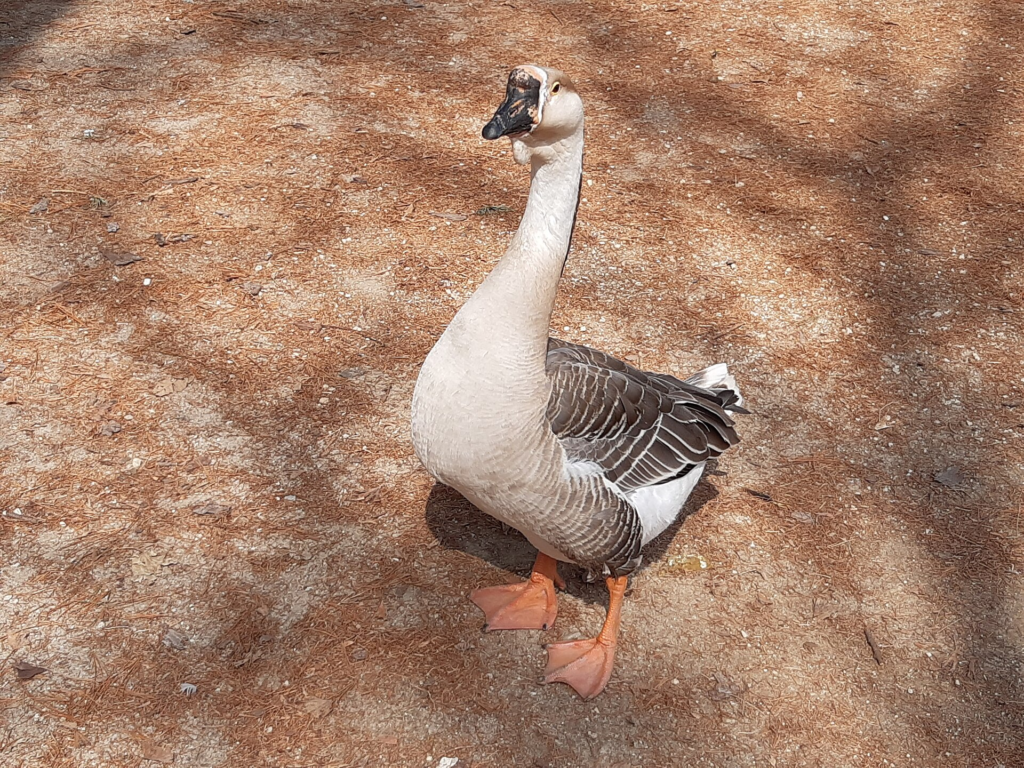
  • Jeju In November: Tangerines, Foliage And The Olle Walking Festival

    Jeju In November: Tangerines, Foliage And The Olle Walking Festival

    TL;DR

    November is one of Jeju’s best months: highs average about 16°C, the tangerine harvest begins, silver grass covers the volcanic cones and Hallasan’s autumn colour is forecast to peak around 6 Nov 2026. The Jeju Olle Walking Festival runs 5 to 7 Nov and the Jeju Citrus Expo 19 to 23 Nov. Pack a windproof layer, because Jeju’s wind is what first timers underestimate.

    Last checked: 5 Oct 2026 What is a Beep Check?

    Sunbae Says: If the summit is on your list, book Hallasan now. November slots opened on 1 October and December slots open at 9am on Monday 2 November, and the daily caps fill on weekends.

    Picture your first afternoon: you step out of Jeju Airport into mild sunshine, and ten minutes later the wind off the sea has you zipping up everything you own. That is Jeju in November. Plan for both and the island is yours.

    Jeju Weather In November

    The Korea Meteorological Administration’s 1991 to 2020 averages for Jeju City give November a mean daily high of 16.4°C and a mean low of 10.4°C, with 69.5 mm of rain across about 10 wet days. December drops to an 11.0°C high and a 5.6°C low.

    That sounds mild, and on a sheltered beach it is. On an oreum ridge or at Hallasan altitude it is a different country. Dress in layers and bring a proper shell jacket. My packing list is in what to wear in Korea from October to December, and Korea in November covers how the mainland compares.

    Tangerine orchard along Jeju Olle Trail Route 07
    Tangerine orchard along Jeju Olle Trail Route 07, 2021. Photo: Jeju Olle Foundation, CC BY-SA 4.0, via Wikimedia Commons.

    Hallasan In Autumn: Dates, Bookings And The New Cut Offs

    The Korea Forest Service’s 2026 forecast (in Korean) puts Hallasan’s foliage peak along the 1100 Road around 6 Nov 2026, with Gyorae Gotjawal forest around 2 Nov and Halla Arboretum around 19 Nov. A private forecaster quoted by Hankyung (in Korean) expects a later start on 31 Oct and a peak around 13 Nov. History backs the cautious view: last year the colour started 17 days late and peaked on 11 Nov, two weeks behind the long term average of 28 Oct. My advice: aim for 6 to 13 Nov and you are covered either way.

    The Summit Booking

    Since May 2025, only the upper sections to the Baengnokdam summit need a reservation (in Korean): from Jindallaebat on the Seongpanak trail and from Samgakbong on the Gwaneumsa trail. Daily caps are 1,000 people for Seongpanak and 500 for Gwaneumsa. Booking is free on the Hallasan reservation site (visithalla.jeju.go.kr), and Korean hikers report that each month opens at 9am on the first working day of the month before, with no shows barred from booking for a period.

    Winter Hours Started 1 October

    This is the change most English guides miss. From 1 October 2026 to 31 March 2027, the park’s winter schedule applies, Headline Jeju reported (in Korean):

    Trailhead Last Entry Who It Suits My Take
    Yeongsil and Eorimok 12 noon Foliage without a summit My pick for most visitors in November
    Seongpanak and Gwaneumsa 11:30am Summit hikers with a booking Start at 5am to 6am, not 9am
    Donnaeko 10am Experienced hikers Long and quiet; skip it on a short trip

    All trails open at 5am. Final descent times are 1:30pm from the summit, 3pm from Witse Oreum and 3:30pm from the Jindallaebat and Samgakbong shelters.

    Heads Up: Arrive at Seongpanak at 9am in November and you will be turned back at the shelter, booking or not. Summit hikers need to be walking by dawn; take a taxi from your hotel and pack a head torch, layers, warm water and snacks.

    Skip It (For Most First Timers): the summit, if you only have one free day and the forecast is grey. Yeongsil needs no reservation and puts you among the upper slopes’ autumn colour in a morning. If you want foliage before you fly south, my Seoul fall foliage 2026 and Seoraksan from Seoul guides cover the earlier peaks.

    The Jeju Olle Walking Festival, 5 To 7 Nov 2026

    This is the headline event of Jeju’s November: three days of group walks on Olle Routes 19 and 20 along the northeast coast, with local food, performances and village programmes at the stops. It is the 16th edition, and organisers say it is the last in this form.

    Day Route Distance
    Thu 5 Nov Jocheon Sports Complex to Dongbok-ri Sports Park 13 km
    Fri 6 Nov Dongbok-ri Sports Park to Jeju Batdam Theme Park 11.5 km
    Sat 7 Nov Haenyeo Anti-Japanese Resistance Memorial Park to Batdam Theme Park (reverse) 12.9 km

    Seoul Shinmun reported (in Korean) that pre-registration ran through the Olle Pass app until 9 Oct 2026, with international walkers now on the same app as Koreans. The fee was 30,000 won, or 25,000 won for youth, groups of 20 or more and some other groups.

    Heads Up: Pre-registration closed on 9 October. If you missed it, check the Olle Pass app or the official Jeju Olle site for any remaining places before you fly, and do not count on signing up at the start line.

    Missed out completely? You can still walk Routes 19 and 20 on your own, free, on any other day, following the blue and orange ribbons and arrows.

    Tangerine Season: Picking Your Own

    Jeju’s mandarins (gamgyul) ripen from November, and the sweetest fruit comes from late November to late December. Picking farms dot the island, especially around Seogwipo.

    Typical pricing: one farm lists 10,000 won per person with 2 kg to take home, or 5,000 won to pick without taking fruit away. A 2023 roundup of nine farms showed 7,000 to 11,000 won per adult, usually with 1 to 3 kg included, and free entry for toddlers. Many farms pause in rain or strong wind, so keep a backup plan.

    Jeju Citrus Expo, 19 To 23 Nov 2026

    Now confirmed: the 2026 Jeju Citrus Expo (in Korean) runs for five days, 19 to 23 November, at the Seogwipo Agricultural Technology Center and its farm ecology garden, under the theme “Jeju embracing citrus, Jeju opening the future”. Expect a direct sales market, tastings, performances and hands on programmes. The official site is jicexpo.com.

    Worth It: a one hour picking session with kids. It is cheap, hands on and you leave with snacks for the rest of the trip.

    Silver Grass On The Oreum

    Jeju’s small volcanic cones turn silver from mid October into early to mid November. Saebyeol Oreum in Aewol is the easy classic: about 100 metres of climbing, 20 to 30 minutes to the top, with free entry and parking. The eastern path is gentler for families; the western one is steep. Go late afternoon so the low sun turns the grass gold.

    Late November: Bangeo Season

    Moseulpo Port in the far southwest usually holds its Choenamdan Bangeo Festival, celebrating winter yellowtail, in late November or early December. In 2025 it ran 20 to 23 Nov, Jeju-ui Sori reported (in Korean), and in 2024 it ran 28 Nov to 1 Dec with hand catching, tastings and fireworks. The 2026 dates were not announced when I checked on 16 October, so watch my what’s on calendar.

    Getting There And Around

    Option Best For Cost Time My Take
    Fly Gimpo to Jeju Everyone starting in Seoul Varies by date; book early for festival week About 1 hour 15 minutes in the air My pick: around 100 flights a day
    Airport bus from Jeju Airport Solo travellers heading to Seogwipo or Jungmun Check the bus board at the airport Check Kakao Map Limousine 600 and the 800 series serve the south
    Express buses 111, 151, 182 Seongsan, Moseulpo and Seogwipo without a car Bus fare Varies Jeju added runs on these from February 2026
    Rental car Families and oreum hoppers Daily rate plus fuel Freedom Worth it for the west coast and oreum

    Gimpo Airport sits on Line 5 (purple), Line 9 (gold) and AREX (blue), so it is an easy subway ride from most Seoul hotels. On the island, Jeju added buses on 18 routes from February 2026 (in Korean), including the 600 and 801 airport limousines and expresses 111 (airport to Seongsan), 151 (to Moseulpo) and 182 (Jeju City to Seogwipo). For the trailheads, a taxi at dawn is the realistic option. Kakao Map handles Jeju buses well; my travel apps guide shows how to set it up. If Jeju is your first stop from abroad, the e-Arrival Card rules still apply.

    What Locals Know

    Hallasan’s “peak” is measured at Eorimok. The KMA calls the start when about 20 percent of the slope from the top down has turned and the peak at about 80 percent, observed around Eorimok. The Forest Service uses 50 percent. That is why two forecasts can disagree by a week and both be right.

    Koreans book Hallasan like concert tickets. The opening minute at 9am on the first working day is a known scramble for weekend dates. Weekdays are far easier, so if you can hike on a Tuesday, do.

    Tangerine stalls are a road trip ritual. In November, roadside stands and markets sell gyul by the box or the kilo. Carry some cash for the small ones.

    Jeju’s tourism is now foreign led. Foreign visitor spending on Jeju jumped 44.4 percent in the first half of 2026 while domestic spending dipped, Korea JoongAng Daily reported. Expect more English menus than a few years ago, and busier Seogwipo hotels.

    Pick Your Version

    If It’s Your First Time

    Give Jeju three nights, not a day trip. I’d split them: one night near the airport for the oreum and the west coast, two in Seogwipo for tangerines, the Citrus Expo and the south.

    If You’re Bringing Kids

    Tangerine picking and Saebyeol Oreum’s eastern path are the two I’d build a family day around; both take about an hour and both end in a snack or a view. Leave Hallasan’s summit for another trip. My guide to Seoul with kids in winter handles the Seoul end of your holiday.

    If You’re Travelling Solo

    The Olle festival is the best solo event on this page if you got a place; if not, I’d walk Route 19 on your own on a weekday. More ideas in my solo travel guide to Seoul.

    If You’re Here For A Reset

    November Jeju is a walking holiday in disguise. I’d pick one Olle route a day, no summit, and finish with tangerines and an early night. For the city side of slowing down, see the Reset hub.

    Sunbae’s Picks

    My pick for one perfect November day: Saebyeol Oreum in the late afternoon light, then dinner in Aewol. Low effort, big payoff.

    If I only had a weekend, I’d skip the summit, walk the Yeongsil trail in the morning (in by noon), then pick tangerines near Seogwipo in the afternoon.

    I’d skip trying to see the whole island. Jeju is bigger than it looks on your phone screen, so pick the west or the south and go slowly.

    My timing pick: 6 to 13 Nov for foliage, or 19 to 23 Nov if you want the Citrus Expo and sweeter tangerines.

    Offers Worth Knowing

    Every Olle route is free to walk year round. Hallasan reservations are free. Youth and groups of 20 or more paid 25,000 won rather than 30,000 won for the Olle festival, and many tangerine farms let toddlers in free.

    What’s Changing In 2026

    Foliage keeps running late. Hallasan’s colour arrived late two years running, and this year’s forecasts again sit after the 28 Oct average. For you, early to mid November sits right in the window rather than at the tail end.

    The Olle festival is changing shape. From 2027, organisers plan a 25 day festival walking all 23 courses in sequence, spreading walkers out to ease the strain on individual routes and villages. If you want the classic three day crowd, 2026 is it.

    More visitors are skipping Seoul’s airports. Foreign arrivals through regional airports, Jeju among them, rose 42.5 percent in June 2026, The Korea Times reports. My read: book festival week flights and Seogwipo rooms early.

    Word Of The Stop

    귤 (gyul), “tangerine”. You will see it on roadside stalls all over the island in November. “Gyul juseyo” gets you a bag.


    Map And Directions

    1. 1
      Hallasan, Seongpanak trailhead 한라산 성판악 탐방안내소

      Summit route; free booking needed above Jindallaebat; winter last entry 11:30am from 1 Oct; foliage forecast 6 to 13 Nov

    2. 2
      Hallasan, Yeongsil trailhead 한라산 영실 탐방로Area pin

      No booking needed; winter last entry 12 noon; best foliage walk without the summit

    3. 3
      Saebyeol Oreum 새별오름

      Silver grass to early or mid Nov; 20 to 30 minutes up, free entry and parking; go late afternoon

    4. 4
      Jocheon Sports Complex 조천체육관

      Olle Walking Festival opening and day one start, Thu 5 Nov 2026; pre-registration closed 9 Oct

    5. 5
      Seogwipo Agricultural Technology Center 서귀포농업기술센터

      Jeju Citrus Expo 19 to 23 Nov 2026 (confirmed)

    6. 6
      Moseulpo Port 모슬포항

      Bangeo (yellowtail) festival usually late Nov or early Dec; 2026 dates not yet announced

    7. 7
      Jeju International Airport 제주국제공항

      Airport limousines 600 and 801; expresses 111 (Seongsan) and 151 (Moseulpo)

    Your Tickets

    Airport bus공항버스
    Jeju Airport→Jungmun and Seogwipo
    Timecheck Kakao Map
    Farecheck the bus board
    Airport limousine 600 or the 800 series; extra runs added from Feb 2026
    SEOUL SUNBAE322-1승차권

    Last Mile

    • Central Seoul → Gimpo Airport Station about 30 to 40 min
    • Jeju City or Seogwipo hotel → Seongpanak trailhead check Kakao Map
    • Saebyeol Oreum base → Saebyeol Oreum top 20 to 30 minutes
    • Jocheon Sports Complex → Dongbok-ri Sports Park a day's walk
    Get the map appsNNaver Map App Store Google PlayKKakaoMap App Store Google PlayBoth work in English. With the app installed, the Naver Map and KakaoMap buttons open directions straight to the pin.

    Tap a button to open directions on your phone. In Korea, Naver Map and KakaoMap give full walking directions; Google Maps covers subway and bus but, as of September 2026, still has no turn by turn walking or driving here. Pins marked “Area pin” show a neighbourhood, not a door.

    Frequently Asked Questions

    Is Jeju Worth Visiting In November?

    Yes. November brings mild days around 16°C, the start of tangerine season, silver grass on the oreum, Hallasan foliage forecast for 6 to 13 Nov, the Olle Walking Festival from 5 to 7 Nov and the Citrus Expo from 19 to 23 Nov. The trade off is wind and cooler evenings.

    What Is The Weather Like In Jeju In November?

    Based on 1991 to 2020 averages, highs are about 16.4°C and lows about 10.4°C, with around 70 mm of rain over roughly 10 days. It is often windy on the coast and colder on Hallasan.

    Do I Need To Book Hallasan?

    Only to reach the summit, via Seongpanak above Jindallaebat or Gwaneumsa above Samgakbong. Booking is free. Yeongsil and Eorimok need no booking, but from 1 October the last entry is noon.

    When Is Tangerine Picking Season In Jeju?

    Farms usually run picking from October or November into December or January. For the sweetest fruit, aim for late November to late December.

    Can Foreigners Join The Jeju Olle Walking Festival?

    Yes, through the Olle Pass app, but 2026 pre-registration closed on 9 Oct. Check the app for any remaining places, or walk Routes 19 and 20 on your own for free.

    Next Stop

    Resources

    • Hallasan reservation site (visithalla.jeju.go.kr): free summit bookings and trail closures.
    • Jeju Olle Trail official site and the Olle Pass app: route maps and festival registration.
    • Visit Jeju: official tourism site; Jeju tourist information line 064 740 6000.
    • 1330 Korea Travel Hotline: dial 1330 (or +82-2-1330 from abroad) for English help, 24 hours.
    • Kakao Map or Naver Map: Jeju bus routes and live arrivals; search 성판악, 영실, 새별오름.
    • jicexpo.com: Jeju Citrus Expo programme, 19 to 23 Nov 2026.

    How I Checked This

    On 5 October 2026 I re-checked the Hallasan winter hours against Headline Jeju’s report of the park office notice, the foliage forecasts against the Korea Forest Service figures and Hankyung, the Citrus Expo dates against Headline Jeju and Agrinet, the Olle festival details against Seoul Shinmun and Headline Jeju, and Jeju bus changes against Media Jeju, and read Korean hiker blogs for the booking window. The Hallasan booking site would not load for me, so the window comes from hikers’ reports. The Bangeo Festival dates and any late Olle places are unconfirmed; tangerine farm prices come from 2023 to 2025 listings.

    Sources


    Written by your sunbae. Over 20 years in Korea. We learned the lessons the hard way, so you don’t have to, and we’re here to guide you and help you enjoy Korea. Every fact here is checked against official sources and, wherever possible, on the ground.

    Beep Check: verified 5 Oct 2026. Rules, prices and dates change; confirm with the official source before you travel.
  • The 5 Apps You Need Before You Land In Korea

    The 5 Apps You Need Before You Land In Korea

    TL;DR

    The five Korea travel apps to install before you fly: NAVER Map (your real map), Papago (translation), k.ride (taxis with a foreign card), Tmoney or WOWPASS (transit and payments), and an eSIM app for data. Google Maps still cannot walk you anywhere in Korea this autumn. Set everything to English at home, on wifi, and you land ready.

    Last checked: 4 Oct 2026 What is a Beep Check?

    Sunbae Says: Search in Korean when English fails. Copy the Hangul name from the shop’s Instagram or signboard and paste it into Naver Map. Nine times in ten, that is the fix.

    This is the apps chapter of my guide to the unwritten rules of Korea, and the one that saves you the most time. Picture it: you walk out of arrivals at Incheon and open Google Maps out of habit. It shows your hotel, then shrugs when you ask how to walk there.

    The Short List

    Job My Pick Backup Needs A Korean Number?
    Maps and transit NAVER Map KakaoMap No
    Translation Papago Google Translate No
    Taxis k.ride Kakao T or Uber No
    Paying for transit Tmoney app (iPhone) WOWPASS card or a short term pass No
    Mobile data Any Korea eSIM Airport SIM counter No

    Everything here works with a foreign phone. If a forum post says otherwise, check its date.

    Seoul Station 003
    Seoul Station 003, 2022. Photo: Mobius6, CC BY-SA 4.0, via Wikimedia Commons.

    1. NAVER Map: Your Real Map

    Download the standalone NAVER Map app, not the main Naver search app. They are different apps from the same company, and first timers grab the wrong one constantly. Naver’s App Store listing shows English, Japanese, Korean and Simplified Chinese; switch to English in settings before you fly.

    It gives you subway routes with the exit number, live bus arrivals, and walking directions that actually walk you there. Big stations have a dozen exits; the wrong one can leave you across an eight lane road.

    New since June 2026: Naver lets visitors sign up with a passport (in Korean) instead of a Korean number, unlocking bookings and ordering inside the map.

    Naver Map Vs KakaoMap Vs Google Maps

    App Best For Cost English My Take
    NAVER Map Subway exits, walking, bookings Free Full English mode The one. Learn it on day one.
    KakaoMap Residents who live in KakaoTalk Free English, but patchy Fine, but its English thins out fast.
    Google Maps Saved pins, reviews in your language Free Full Backup only. No walking directions yet.

    My pick is NAVER Map, no contest, for a first timer. KakaoMap is excellent in Korean, but its App Store reviews still complain that most of the screen stays in Korean.

    Is It True Korean Maps “Aren’t North Up”?

    Partly. The map starts north up. Tap the location button more than once, though, and it switches to a mode that turns the map with the way you face; Naver’s developer documentation calls it “face” mode. If the map starts spinning, tap the compass once to snap back to north.

    2. Papago: Your Translator

    Papago, also from Naver, is what most visitors use here. Its App Store listing covers 14 languages with camera translation, voice, a two way conversation mode and offline text translation. Camera mode is the daily hero: point it at a menu, a pharmacy leaflet or the laundry machine that only speaks Korean.

    Is Papago better than Google Translate for Korean? In the government’s 2023 survey of foreign visitors, reported by Korea.net, 48.3% used Papago on their trip against 23% for Google Translate. My advice: install both, use Papago first, and when a sentence comes back strange, try the other.

    3. A Taxi App That Takes Your Card

    Street hailing works, but an app shows the fare up front and saves you pronouncing an address. The full fare breakdown is in my guide to taxis in Seoul as a foreigner.

    Option Best For Payment Sign Up My Take
    k.ride First timers Foreign cards, PayPal, Alipay and other wallets Phone or social login My pick. Built for exactly you.
    Kakao T Longer stays, outside Seoul Visa, Mastercard, Amex, JCB (when they register) Overseas number accepted Same fleet, more Korean first.
    Uber People who hate new apps Varies by trip; check before you book Your existing account Books ordinary licensed taxis.

    k.ride is Kakao Mobility’s visitor app. Its App Store listing shows English, Japanese and two Chinese scripts, airport pickup reservations, and translated chat with your driver. Kakao T is what residents use, and Kakao Mobility says it accepts Visa, Mastercard, American Express and JCB (in Korean) for foreign users. Both pull from the same pool of taxis, so if one cannot find you a car, try the other.

    Heads Up: Foreign cards still fail to register on Kakao T for some banks. If yours bounces, choose “pay the driver” and pay with a physical card, T-money or cash. Stop retrying, or your bank may freeze the card.

    4. Transit And Payments: Phone, Pass Or Prepaid Card

    This is where 2026 changed most, and where first timers get stuck at a ticket machine with a Visa card and no cash.

    Option Best For Cost Works With My Take
    Tmoney app, Foreigner mode iPhone users Free app Mastercard, Amex, UnionPay, JCB via Apple Pay My pick if you have an iPhone and the right card.
    Climate Card short term pass Heavy subway riders in Seoul 5,000 to 20,000 won for 1 to 7 days Foreign cards at new subway kiosks Best value if you ride a lot inside Seoul.
    WOWPASS Android users, cash haters 5,000 won card fee Top up with foreign cash or card The easy all in one prepaid card.
    Plain T-money card Trips beyond Seoul A few thousand won for the card Top up with cash only Old school, works everywhere.

    Tmoney on iPhone. Since March 2026 the Tmoney app has a “Foreigner” button that skips Korean sign up and lets you top up via Apple Pay with a non Korean card, as Korea JoongAng Daily reported. The current App Store notes list Mastercard, American Express, UnionPay and JCB. Then you tap your iPhone at the gate. Mastercard’s April 2026 announcement points Android users to a separate app, KOREA TOUR CARD.

    Heads Up: Visa still does not work in the Tmoney foreigner mode as of 4 Oct 2026. If Visa is all you carry, go for a short term pass at a new kiosk or a WOWPASS instead.

    Short term passes. Seoul’s new style ticket machines on Lines 1 to 8 have sold the 1 to 7 day passes and single tickets for foreign credit and debit cards since 17 March 2026, the city confirms (in Korean). The old 30 day card is gone; my guide to which transit card tourists need now has the prices and what is covered.

    WOWPASS is a prepaid card with T-money built in. Its official FAQ lists machines at the Incheon Airport Terminal 1 and 2 stations, Gimpo Airport, Seoul Station, Hongik University and Myeong-dong stations. One catch: the T-money side still tops up with won cash, not from your WOWPASS balance. More on cards, cash and tipping in my money in Korea guide.

    5. Data: eSIM Or Airport SIM

    Every app here needs data, and airport wifi stays at the airport.

    Option Best For Cost Time My Take
    Korea eSIM, bought at home Newer phones Small data plans from a few dollars Five minutes, before you fly My pick. You land online.
    Airport SIM or eSIM counter Unlimited data, a Korean number Mid 2026 listings: about 18,000 won for 3 days, 35,000 won for 7 10 to 30 minutes at arrivals Good if you need a local number.

    At Incheon Terminal 1, the telecom counters sit in the first floor arrivals hall, and KT lists its 24 hour counter (in Korean) opposite Exit 13, near Gate F. Bring your passport. A local 010 number receives text codes, which a data only eSIM cannot.

    Google Maps: Backup Only, And Here’s Why

    Keep Google Maps for saved pins and reviews, not for walking.

    Korea restricts the export of detailed map data for security reasons. In February 2026 the government approved Google’s request to export 1:5,000 scale data with strict conditions, ending a dispute that began in 2007, as The Korea Herald reported. But the data has not left yet. As of 22 September, Google was still blurring military sites and preparing its formal compliance plan for after Chuseok, with a government review to follow, per Electronic Times (in Korean). Nobody has announced a launch date. For an October to December trip, plan on NAVER Map.

    The Bonus Apps Worth Your Storage

    Food delivery. Baemin added English in February 2026 and, from June, Apple Pay with Visa, Mastercard, JCB and Amex cards issued abroad (in Korean). Coupang Eats offers English menus and takes Visa and Mastercard. My pick is Baemin, because you can log in with Google. Text verification can still trip you up, and ask your hotel whether riders come up or you meet them in the lobby.

    Trains. KTX and SRT merged on 1 September, and both now book through the Korail+ app, launched in August in seven languages. If its English booking or your card payment fails, the Let’s Korail website is the fallback, and a station counter never fails. Handy for a day trip like Seoraksan from Seoul.

    Help. Save 1330, the Korea Travel Hotline, run by the Korea Tourism Organization. VisitKorea lists it with interpreters in nine languages, free by app call or chat on wifi, alongside the multilingual Emergency Ready app.

    Behind The Scenes

    Why Korean apps ask for your phone number. Korea runs on 본인인증 (bonin injeung), identity verification tied to a Korean mobile number. That gate is why apps used to lock visitors out; passport sign up on Naver and Google login on Baemin are this year’s workarounds.

    How locals choose a restaurant. Koreans check Naver Map’s visitor reviews and the blog posts linked from each listing, not Google. Read a listing’s review count and recent photos and you are doing what your Korean friends do. Then use my guide to ordering in Korea once you sit down.

    Kiosks speak more English than you think. Fast food and café kiosks often hide a language button (a globe or “English”) in a corner of the first screen. No button? Papago’s camera reads it.

    Pick Your Version

    If It’s Your First Time

    Install the five at home, set each to English, and route from the airport to your hotel in NAVER Map before you fly. Screenshot your hotel address in Korean. Sort your e-Arrival Card in the same sitting, and keep our first timer hub open for the rest.

    If You’re Bringing Kids

    Your big win is the taxi app. With tired kids and a stroller, I’d skip late subway transfers and book a taxi with the fare up front, checking the car type if you have lots of luggage.

    If You’re Travelling Solo

    Share your live location with someone at home, and pay for the local number so verification texts reach you. My solo Seoul guide has the rest of my solo habits.

    Sunbae’s Picks

    If I could install only one app: NAVER Map in English. It is maps, transit, reviews and bookings in one.

    My pick for taxis if you’re new: k.ride. Foreign phone, foreign card, no Korean needed.

    My pick for paying: Tmoney on iPhone with a Mastercard. On Android or with only Visa, WOWPASS.

    I’d skip niche apps. Five you know beat fifteen you open once.

    Offers Worth Knowing

    The Tmoney foreigner mode means no card to buy at all if your iPhone and card qualify, and the 1 to 7 day passes beat pay per ride for heavy riders. Both are official.

    What’s Changing In 2026

    Visitors already choose Korean apps: in that 2023 government survey, 56.2% of foreign visitors used Naver Map against 33.9% for Google Maps. Switching makes you normal, not awkward.

    The gap is closing from both sides: Google has approval to build navigation, and Korean apps keep opening to foreign phones and cards. Seoul city buses are also due to take tapped Visa, Mastercard, JCB and UnionPay cards from 2027, per The Korea Herald. My read: this could be the last season you need to think this hard about apps. This year, set up before you fly.

    Word Of The Stop

    출구 (chulgu): exit. You will see it on every subway sign next to a number, as in 3번 출구 (sambeon chulgu), exit 3. NAVER Map tells you which one; the signs tell you where it is.


    Map And Directions

    1. 1
      Incheon Airport T1 Arrivals Telecom Counters 인천공항 제1여객터미널 입국장 로밍센터Area pin
      Incheon Int'l Airport Terminal 1 StationArrivals hall 1F, opposite EXIT13 (near Gate F)

      Tourist SIM and eSIM counters; KT lists a 24 hour counter here. Bring your passport.

    2. 2
      WOWPASS Machine, Incheon Airport T1 Station 와우패스 인천공항1터미널역Area pin
      Incheon Int'l Airport Terminal 1 StationCheck the WOWPASS app for the machine location

      Card fee 5,000 won; top up with foreign cash. T-money side tops up with won cash only.

    3. 3
      WOWPASS Machine, Seoul Station 와우패스 서울역Area pin
      ASeoul StationCheck the WOWPASS app for the machine location

      Listed in the official WOWPASS FAQ; handy straight off the AREX.

    4. 4
      WOWPASS Machine, Myeong-dong Station 와우패스 명동역Area pin
      4Myeong-dong StationCheck the WOWPASS app for the machine location

      Listed in the official WOWPASS FAQ; new style kiosks on Lines 1 to 8 also sell 1 to 7 day passes by foreign card.

    5. 5
      WOWPASS Machine, Hongik University Station 와우패스 홍대입구역Area pin
      AHongik University StationCheck the WOWPASS app for the machine location

      Listed in the official WOWPASS FAQ.

    Your Tickets

    AREX공항철도
    Incheon Int'l Airport Terminal 1 Station→Seoul Station
    Timeabout 1 hour on the all stop train
    Farecheck the AREX fare table
    Hongik University Station is on the same line if you are staying in Hongdae.
    SEOUL SUNBAE932-1승차권

    Last Mile

    • Incheon Airport T1 arrivals hall → Incheon Int'l Airport Terminal 1 Station about 10 min
    • Seoul Station → Myeong-dong Station about 5 min
    Get the map appsNNaver Map App Store Google PlayKKakaoMap App Store Google PlayBoth work in English. With the app installed, the Naver Map and KakaoMap buttons open directions straight to the pin.

    Tap a button to open directions on your phone. In Korea, Naver Map and KakaoMap give full walking directions; Google Maps covers subway and bus but, as of September 2026, still has no turn by turn walking or driving here. Pins marked “Area pin” show a neighbourhood, not a door.

    Frequently Asked Questions

    Does Google Maps Work In Korea In 2026?

    Partly. It shows places, reviews and transit routes, but no walking or driving directions. The February 2026 approval was still under review in late September, with no launch date. Use NAVER Map.

    Which Naver App Do I Download?

    The standalone NAVER Map app (listed as NAVER Maps, Navigation in the App Store), not the main Naver search app.

    Can I Use Apple Pay On The Seoul Subway?

    Yes, through the Tmoney app’s Foreigner mode on iPhone with a non Korean Mastercard, Amex, UnionPay or JCB card. Not Visa yet. On Android, try KOREA TOUR CARD or a WOWPASS.

    Do I Need A Korean Phone Number For These Apps?

    Not for NAVER Map, Papago, k.ride, the Tmoney foreigner mode or WOWPASS. Delivery apps and some bookings send text codes, where a local SIM number helps.

    Can Tourists Use Baemin Or Coupang Eats?

    Yes. Both have English, and Baemin takes foreign cards through Apple Pay and lets you log in with Google. You need a delivery address your hotel will accept.

    Next Stop

    Resources

    • NAVER Map: maps, subway exits, walking directions, bookings.
    • Papago: camera, voice and conversation translation.
    • k.ride: taxis with foreign cards and translated driver chat.
    • Tmoney app (MobileTmoney): iPhone transit card with the Foreigner button.
    • WOWPASS: prepaid card with T-money built in.
    • Korail+ app or Let’s Korail website: KTX and former SRT train bookings.
    • 1330 Korea Travel Hotline (+82-2-1330 from abroad): interpretation and travel help.
    • VisitKorea apps page: the tourism board’s app list.

    How I Checked This

    On 4 October 2026 I rechecked app languages, payment methods and recent release notes against the official App Store listings for NAVER Map, KakaoMap, Papago, k.ride and MobileTmoney; Google’s map status against The Korea Herald and Electronic Times; foreign card kiosks against Seoul’s transport news FAQ (posted 1 Oct 2026); and Baemin, Naver and Korail+ changes against Korean news and company releases. Still unconfirmed: whether Uber in Seoul charges every foreign card in app, current airport SIM prices (quoted from mid 2026 listings), exact WOWPASS machine exits, and how Naver Map’s location modes look in the current app.

    Sources


    Written by your sunbae. Over 20 years in Korea. We learned the lessons the hard way, so you don’t have to, and we’re here to guide you and help you enjoy Korea. Every fact here is checked against official sources and, wherever possible, on the ground.

    Beep Check: verified 4 Oct 2026. Rules, prices and dates change; confirm with the official source before you travel.
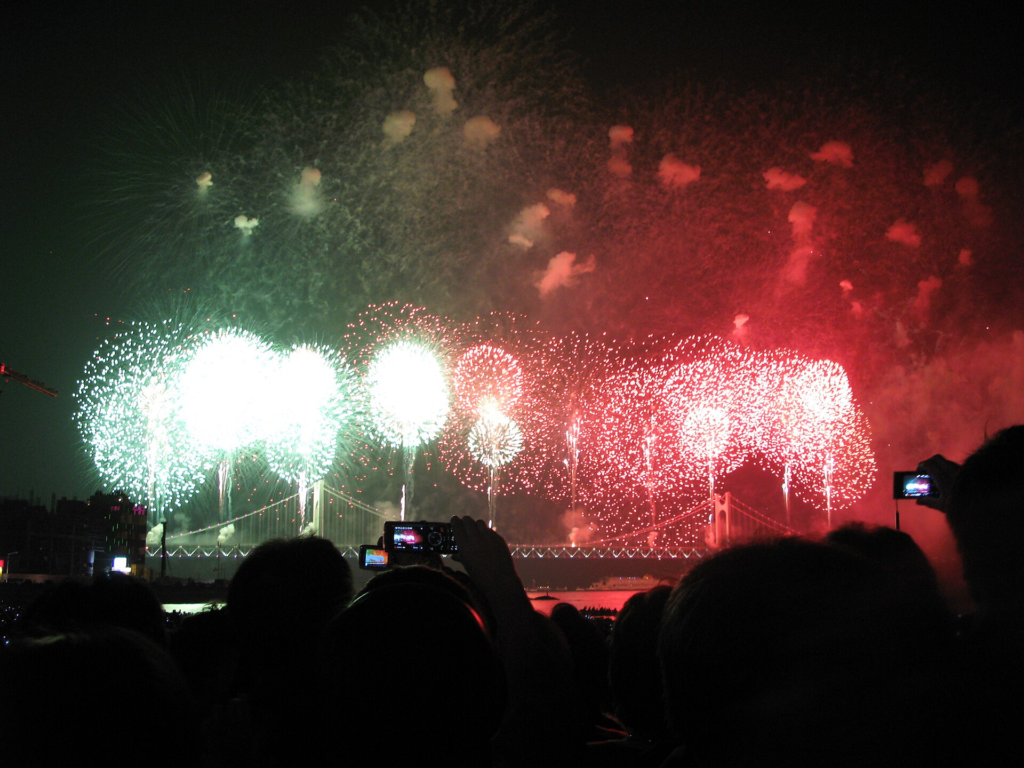
  • Money In Korea: Cards, Cash, Tipping And The Payment Traps

    Money In Korea: Cards, Cash, Tipping And The Payment Traps

    TL;DR

    You don’t tip in Korea. Restaurant, café and taxi prices are the final price, and nobody expects extra. The one place you may meet a service charge is an upscale hotel bill. For everything else: pay by card, always choose won when a screen offers your home currency, and carry a little cash for markets and transit top ups.

    Last checked: 5 Oct 2026 What is a Beep Check?

    Sunbae Says: When a card screen asks “KRW or USD?” (or pounds, or dollars), press KRW. Every single time.

    Picture it: you’ve just finished a steaming bowl of kalguksu, the owner hands your card back with both hands, and you hover, wondering about a tip. Don’t. Say 감사합니다 and go. Money is one chapter of my unwritten rules of Korea; this is the deep dive.

    Tipping In Korea: The Short Answer Is No

    Visit Seoul’s etiquette guide puts it plainly: tipping isn’t customary in Korea. Some people will accept a tip and some will refuse it, which is exactly why cash left on the table causes more confusion than gratitude.

    There’s a legal reason too. Since a 2013 revision of the Food Sanitation Act, restaurant menu prices must include tax and service, as The Korea Times explains. The price on the wall is the price you pay. When a few cafés and noodle shops tried tip jars and kiosk “tip” buttons, Koreans pushed back hard, and one famous bagel chain pulled its jar.

    The exception is the upscale hotel. Many quote room rates before 10% VAT and a service charge, so read the small print when you book, not at checkout.

    Taxis? No tip, no rounding up. My guide to taxis in Seoul as a foreigner covers paying in the apps.

    Cards: Mostly Yes, But Not Always Yours

    You can pay for a 1,500 won coffee by card here and nobody blinks. The catch: the system was built for Korean cards. At a December 2025 parliamentary forum, researchers put the foreign card rejection rate at 20 to 30% and said contactless terminals cover only about 10% of Korea, as News1 reported. So expect to insert your chip far more often than you tap, and don’t panic when staff take your card and insert it themselves. That’s normal service.

    Three habits save you. Tell your bank you’re travelling. Bring two cards on different networks (one Visa, one Mastercard). And know your PIN for ATMs.

    Options With Opinions: How To Pay

    Option Best For Cost Time My Take
    No fee travel card (Mastercard) plus physical T-money Most visitors Card fees near zero; T-money card a few thousand won 5 min at a convenience store My pick. Covers shops, restaurants and the iPhone T-money app.
    Prepaid tourist card (WOWPASS style) People without a no fee card Exchange spread on loading Machine at the airport or in Myeong-dong Fine backup, but compare the rate to your bank’s.
    Cash for everything Nobody, really Exchange spread plus hassle Queues at money changers Skip it. Carry a float, not a wad.
    Phone wallet only Short trips around big chains Free Instant Risky. Contactless is still the minority.

    Apple Pay, Google Pay And The Apps

    Your phone wallet works only where a terminal accepts international contactless payments, still a minority here. Big chains are your best bet. Online is where 2026 changed things: orders on the delivery app Baemin paid with overseas cards and global payment methods jumped 331% year on year, Financial News reported (in Korean), after Baemin and others added Apple Pay and foreign cards. My Korea travel apps guide shows what to set up before you fly.

    DCC: Always Choose Won

    Dynamic currency conversion (DCC) is when a terminal or ATM offers to charge you in your home currency. It looks helpful. It isn’t. Visa’s own guidance says merchants must give you the choice, must not choose for you, and suggests declining if the rate and fees aren’t shown clearly. Korea’s Financial Supervisory Service has warned Korean travellers that paying abroad in won adds roughly 3 to 8% in fees; the same trap works in reverse for you here.

    Heads Up: Some ATMs and hotel card machines pre select your home currency. Look for a “KRW” or “decline conversion” button before you press OK. If you’ve already been charged in dollars or pounds, ask the cashier to cancel and re run it in won.

    Cash: How Much And Where You Need It

    You need less cash than older guides say, but you still need some. Traditional markets, street carts and small stalls are where cash matters; my winter street food guide has the app that shows which carts take cards. Cash won’t get you on many buses, though: Seoul lists 183 cashless city bus routes, per the city’s transport page (in Korean).

    The won traded around 1,350 to the US dollar at the start of October 2026, Opinion News reported (in Korean), so a 10,000 won note is roughly 7 US dollars. My rule after more than 20 years here: carry about 30,000 to 50,000 won in notes and coins, and put everything else on a card.

    T-money Top Ups In 2026: What Actually Changed

    This is where online advice is most out of date. “T-money only reloads with cash” was the rule for years. It’s now partly true.

    Physical T-money card: plan on cash for top ups at convenience store counters and station machines. Since 17 March 2026, new machines on Seoul Metro Lines 1 to 8 take foreign cards, but Money Today reported (in Korean) that they cover single journey tickets and the 1, 2, 3, 5 and 7 day passes, not T-money top ups. Myeongdong Station (Line 4, sky blue) is one of the busiest for foreign card sales.

    iPhone: the Mobile T-money app has a “Foreigner” button and takes Apple Pay top ups. Its App Store release notes for the 1 September 2026 update list Mastercard, American Express, UnionPay and, newly, JCB. Visa still isn’t on the list, and Korea JoongAng Daily noted at launch that Apple’s own Wallet takes only Hyundai Card top ups.

    Android: I couldn’t verify an equivalent route for foreign cards, so bring cash.

    If you ride a lot, a tourist pass may beat T-money entirely. My transit card comparison runs the numbers.

    Tax Refunds: The Thresholds That Matter

    You can reclaim VAT on shopping if you’ve been in Korea less than six months and leave within three months of buying. Show your passport at the till. These are the numbers on VisitKorea’s tax refund page:

    Rule Threshold
    Minimum spend per receipt 15,000 won
    Immediate refund at a participating shop Single payment of 15,000 won to 1,000,000 won
    Immediate refund total per trip 5,000,000 won
    Downtown refund booth limit 6,000,000 won per receipt
    Leave Korea within 3 months of purchase

    Immediate refund means the tax comes off at the till. Over those limits, claim at the airport kiosks or counters. The VAT refund on cosmetic procedures ended on 31 December 2025; bills to revive it were still in the National Assembly when I checked, so don’t count on it.

    Heads Up: Items must be new and unused to qualify, and customs can ask to see them at the airport. Pack tax refund shopping in your carry on until you’ve cleared the refund desk.

    What Locals Know

    Your hotel bill may be refundable too. Foreign guests staying 30 nights or fewer at participating “tax refundable hotels” can reclaim VAT on the room, at a lobby kiosk at checkout or at airport refund counters. The scheme currently runs to 31 December 2028, though the government proposed in August 2026 to end it on 30 June 2027, per FN Today (in Korean). Ask at check in whether your hotel takes part.

    Two hands, no haggling. Hand over your card or cash with both hands, or your right hand with the left touching your forearm. Shop prices are fixed; in traditional markets you may get a little extra (덤, deom) thrown in when you buy a lot, but asking for money off a single item isn’t the custom.

    Splitting bills is easy. Koreans often pay as one and settle up by app later, but restaurants will usually split by card if you ask at the counter; my Korean BBQ etiquette guide covers who pays.

    Pick Your Version

    If It’s Your First Time

    Land with two cards, about 50,000 won from an airport ATM, and a physical T-money card for the first ride. File your e-Arrival Card before you fly, then relax: nearly every meal takes cards. The full checklist lives at my first timer hub.

    If You’re Bringing Kids

    Give each adult their own card and transit card from day one, and keep a separate 10,000 won “snack float” in small notes and coins for market stalls.

    If You’re Travelling Solo

    Solo, a rejected card is the real risk because nobody can cover you. Keep a backup card away from your wallet and 20,000 won in your phone case. My money and apps hub has the rest of the setup.

    Sunbae’s Picks

    My pick for every card screen: KRW, always. It’s the easiest money you’ll save all trip.

    If I set up one thing before flying, it’d be a no foreign fee card on Mastercard, which covers shop payments and the iPhone T-money top up.

    My tax refund move: do the big beauty and clothing shop in one visit at a participating store, so the tax comes off on the spot.

    Offers Worth Knowing

    The immediate tax refund is the best documented saving for shoppers, and the hotel VAT refund is the one almost nobody claims. For transit, the 1 to 7 day tourist passes (5,000 to 20,000 won) continue, and you can buy them with a foreign card at the newer station machines.

    What’s Changing In 2026

    Your card is finally being taken seriously. Foreign card spending topped 10 trillion won in the first half of 2026, up 50.8%, per Korea JoongAng Daily. That’s why the station machines, the T-money app update and the delivery apps all changed this year.

    Buses are next. Seoul city buses are due to accept tapped Visa, Mastercard, JCB and UnionPay cards from 2027, The Korea Herald reported. For this trip, you still need a transit card.

    Hidden hotel charges are under pressure. From 4 August 2026, accommodation that overcharges or hides rates faces a five day suspension on a first violation, according to The Korea Times. Compare total prices, tax included, before you book.

    Worth It / Skip It

    Worth It: a no fee travel card plus a physical T-money card. Skip It: exchanging a big pile of cash you’ll fly home with.

    Word Of The Stop

    원화 (wonhwa): Korean won. If a cashier asks which currency, say “wonhwa-ro hae juseyo” (in won, please). For ordering phrases, see how to order food in Korea.


    Map And Directions

    1. 1
      Myeong-dong Tourist Information Center 명동관광정보센터
      2Euljiro 1-ga StationEXIT5

      About 147 m from the exit; multilingual staff for money, tax refund and transit questions; open 9am to 6pm daily, free

    2. 2
      Myeongdong Station ticket machines 명동역
      4Myeongdong StationInside the station (machines by the gates)

      Newer machines take foreign cards for single tickets and 1 to 7 day passes (5,000 to 20,000 won), not T-money top ups

    3. 3
      Incheon Airport Terminal 1 arrivals 인천국제공항 제1여객터미널
      Incheon Int'l Airport Terminal 1 StationArrivals hall, 1st floor

      ATMs and convenience stores for cash and a physical T-money card; choose KRW at every ATM screen

    4. 4
      Incheon Airport tax refund kiosks (departures) 인천공항 택스리펀드Area pin
      Incheon Int'l Airport Terminal 1 StationDepartures level; follow tax refund signs

      Claim VAT on purchases over the immediate refund limits; keep items unused and in your carry on until processed

    Your Tickets

    AREX공항철도
    Incheon Int'l Airport Terminal 1→Seoul Station
    Timeabout 60 min (all stop train)
    FareDistance based fare on a transit card
    Buy a T-money card and top it up with cash at the arrivals convenience store first
    SEOUL SUNBAE934-1승차권

    Last Mile

    • Euljiro 1-ga Station EXIT5 → Myeong-dong Tourist Information Center about 2 min
    • Myeong-dong Tourist Information Center → Myeongdong Station about 10 min
    Get the map appsNNaver Map App Store Google PlayKKakaoMap App Store Google PlayBoth work in English. With the app installed, the Naver Map and KakaoMap buttons open directions straight to the pin.

    Tap a button to open directions on your phone. In Korea, Naver Map and KakaoMap give full walking directions; Google Maps covers subway and bus but, as of September 2026, still has no turn by turn walking or driving here. Pins marked “Area pin” show a neighbourhood, not a door.

    Frequently Asked Questions

    Do You Tip In Korea?

    No. Restaurant menu prices include tax and service by law, and Visit Seoul says tipping isn’t customary. Some upscale hotels add a service charge, so read the rate details.

    Can I Use Apple Pay In Korea With A Foreign Card?

    Sometimes. It works only at terminals that accept international contactless payments, which are a minority. Carry a physical card as backup.

    Can I Top Up T-money With A Credit Card?

    On an iPhone, yes: the Mobile T-money app takes foreign Mastercard, American Express, UnionPay and JCB via Apple Pay, but not Visa as of its September 2026 update. For a physical T-money card, plan on cash.

    What Is The Minimum Purchase For A Tax Refund In Korea?

    15,000 won per receipt. Immediate refunds at participating shops cover single payments up to 1,000,000 won, with 5,000,000 won per trip.

    How Much Cash Should I Bring To Korea?

    About 30,000 to 50,000 won at a time is plenty for markets and top ups. Withdraw at an airport or convenience store ATM rather than exchanging large sums at home.

    Next Stop

    Resources

    • VisitKorea tax refund guide: thresholds, eligibility and where to claim.
    • 1330 Korea Travel Hotline: call 1330 in Korea or +82-2-1330 from abroad for interpreting, including at shop counters.
    • Myeong-dong Tourist Information Center: Euljiro 1-ga Station (Line 2, green) Exit 5, about 147 metres, open 9am to 6pm.
    • Mobile T-money app (iPhone): Foreigner mode for Apple Pay top ups.
    • Seoul Metro ticket machines on Lines 1 to 8: foreign cards for single tickets and 1 to 7 day passes.
    • Your card issuer’s emergency number, saved offline.

    How I Checked This

    On 5 Oct 2026 I rechecked tipping against Visit Seoul and The Korea Times, card acceptance against News1 and Financial News, DCC against Visa, T-money changes against Money Today, the App Store release notes and Korea JoongAng Daily, tax refunds against VisitKorea, the hotel VAT refund against FN Today, the cosmetic refund bills against Hankyung, and the exchange rate against Opinion News. Still unconfirmed: whether Visa works in the T-money app and how widely Apple Pay with foreign cards works at convenience stores, hence two field tests.

    Sources


    Written by your sunbae. Over 20 years in Korea. We learned the lessons the hard way, so you don’t have to, and we’re here to guide you and help you enjoy Korea. Every fact here is checked against official sources and, wherever possible, on the ground.

    Beep Check: verified 5 Oct 2026. Rules, prices and dates change; confirm with the official source before you travel.